In today’s rapidly evolving digital age, AI is no longer just a buzzword — it’s a silent presence reshaping the way we work, lead, and connect.
During a recent R.E.D. discussion, an HR leader shared a striking example: in their company, each employee wears a chip on their shoulder that tracks every movement within the factory.
The technology was introduced to improve security and efficiency — but it also raised uneasy questions about privacy, autonomy, and trust.
Is this progress, or a quiet step too far? Like many HR dilemmas, the answer lies in how we use the tool — not the tool itself.
1. Use AI to Enhance, Not Replace Human Judgment
AI excels at analyzing data, predicting patterns, and automating repetitive work. But what it still lacks is human judgment, empathy, and context.
For HR, this distinction is vital. The goal isn’t to replace people with algorithms, but to free humans from administrative weight — allowing them to focus on what truly matters: meaningful conversations, employee growth, and organizational culture.
When AI handles the data, HR can handle the people. That’s where technology meets humanity.
2. Protect Privacy While Building Transparency
The story of wearable chips exposes a delicate balance: the same technology that enables efficiency can also erode trust if misused.
AI-driven monitoring may optimize performance, but without clear boundaries and communication, it risks reducing people to data points.
HR’s responsibility is to set the guardrails — ensuring managers and employees understand why data is collected, how it’s used, and where the line is drawn.
Transparency transforms control into collaboration. Because trust, once lost, cannot be automated.
3. Redefine HR’s Role in the Age of Intelligence
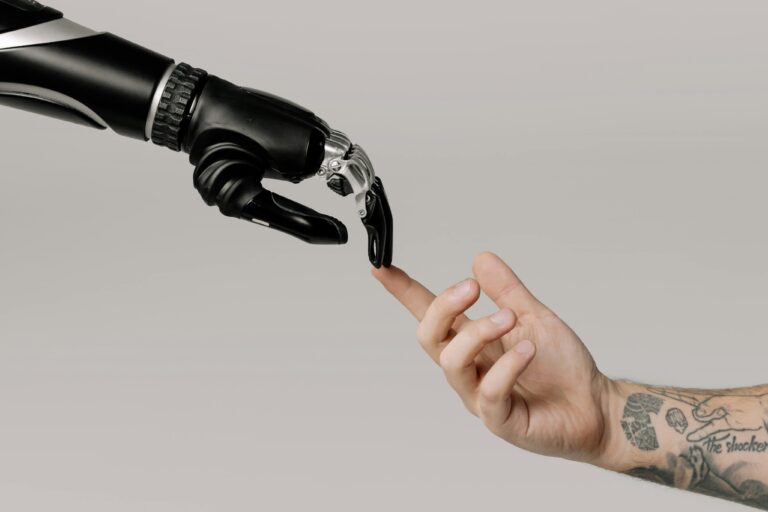
AI is not replacing HR — it’s redefining it.
Tomorrow’s HR leaders will be those who can translate data into empathy, using insights from AI to design fairer, more personalized people strategies.
Predictive analytics can highlight turnover risks or engagement trends, but it takes human wisdom to interpret why those patterns exist.
The future of HR isn’t artificial — it’s intelligently human.
R.E.D. Insight
AI can accelerate performance, but only empathy can sustain it. The future belongs to HR leaders who see technology not as a threat, but as a tool to deepen connection and trust.
Final Thoughts
As AI continues to evolve, HR stands at a crossroads: to become either the guardian of human value or the enabler of blind automation.
The answer lies in balance — in knowing when to trust technology, and when to listen to intuition.
Because in the end, it’s not AI that defines our organizations — it’s how human we remain while using it.
Be part of the conversation shaping the future of HR.
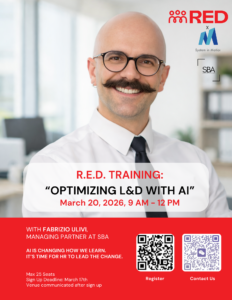
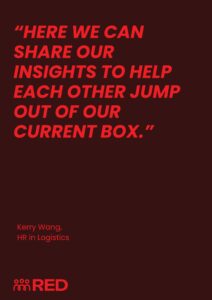
Join the R.E.D. HR Community to exchange real stories, practical strategies, and leadership reflections on how to bring empathy back into the age of AI.
Message us to learn more or join an upcoming R.E.D. session.