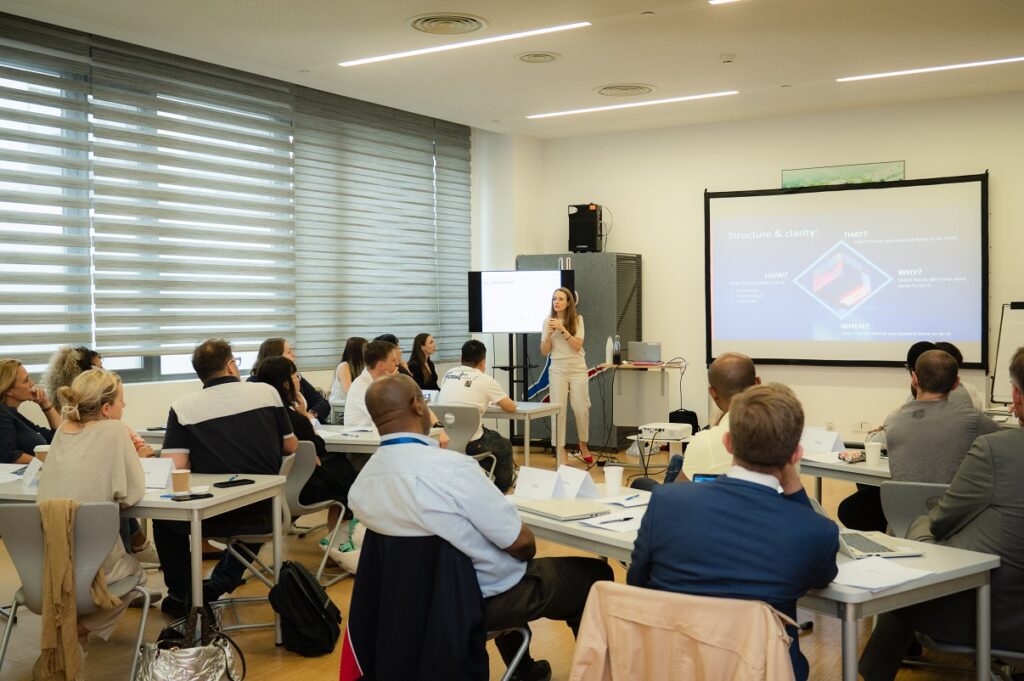
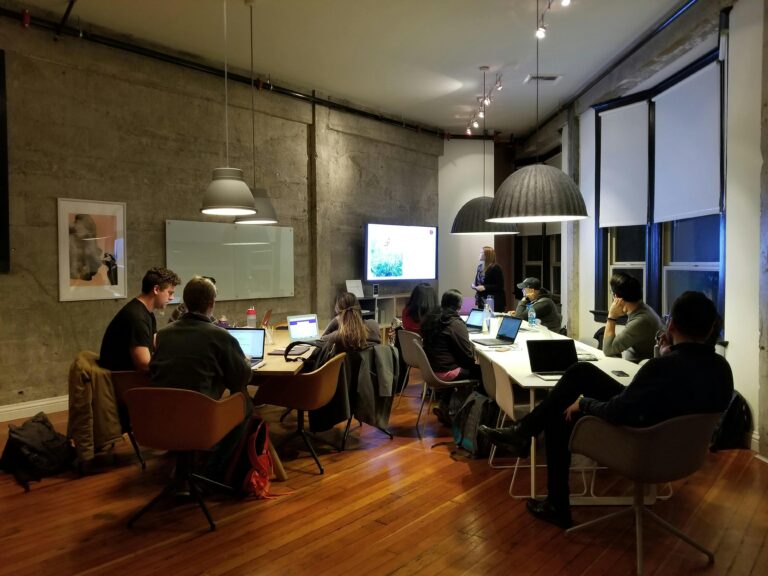
For decades, learning and development (L&D) has looked the same: a trainer stands in front of a group, delivers content, and employees walk away with slides and notes. But here’s the problem—traditional training doesn’t always stick.
At a recent R.E.D. session, senior HR leaders shared a different perspective: the future of learning is participatory. It’s no longer about what HR delivers—it’s about what employees co-create.
Why Participation Matters
When employees are active participants in their development, two important things happen:
Ownership grows. Instead of “HR is training me,” employees think, “I am shaping my own growth.”
Application improves. Employees are more likely to use what they’ve learned because they’ve practiced, contributed, and connected it to their daily work.
One R.E.D. member explained it well:
“If employees help design or deliver the learning, they take it more seriously. It’s no longer just theory—it’s their reality.”
Practices that Make Learning More Participatory
1. Peer-to-Peer Learning
Employees often learn best from each other because they share the same challenges and context. Peer-to-peer formats build confidence and create safe learning spaces.
Mentoring Circles: Small groups where employees share experiences and coach one another.
Lunch & Learn Sessions: Informal, knowledge-sharing sessions led by employees.
Reverse Mentoring: Younger employees teach digital skills or new trends to senior leaders.
Impact: Builds trust, community, and spreads knowledge organically.
2. Co-Created Training
Too often, HR rolls out training programs that miss the mark because they don’t match employees’ actual needs. A participatory approach flips that.
Needs-based Design: Ask employees: What do you want to learn this quarter?
Collaborative Content: Involve employees in shaping the agenda, selecting topics, or even creating case studies.
Learning Committees: Cross-functional groups that guide L&D priorities.
Impact: Training becomes relevant, practical, and directly tied to what employees need most.
3. Interactive Methods
Active participation is about more than talking—it’s about doing. That’s where interactive methods come in.
Simulations: Employees practice real-world scenarios like negotiations, presentations, or handling conflicts.
Gamification: Leaderboards, points, or challenges to make learning fun and competitive.
Roleplays: Safe spaces to test skills before applying them at work.
Impact: Employees don’t just consume knowledge—they practice it, fail safely, and improve.
4. Digital Collaboration
Technology opens new doors for participatory learning, especially in hybrid workplaces.
Learning Platforms: Tools where employees share resources, comment, and co-create learning paths.
Microlearning: Short, interactive modules employees can complete and discuss with peers.
Discussion Forums: Spaces where employees can continue conversations after training sessions.
Impact: Learning becomes continuous, not a one-off event.
Beyond Training: Building a Learning Culture
Making L&D participatory isn’t just about running better workshops. It’s about creating a culture where learning is shared, continuous, and owned by employees.
At R.E.D., members reflected that when employees see their input valued in L&D, they become more curious, proactive, and engaged. Over time, this shifts the culture from “training as an event” to “learning as a habit.”
Final Thought
Participatory learning isn’t about replacing HR’s role—it’s about redefining it. HR becomes the enabler, facilitator, and connector who empowers employees to shape their growth.
As one R.E.D. leader said:
“The best learning doesn’t happen when you’re being taught. It happens when you’re contributing.”
Want to design L&D programs that truly engage?
Join R.E.D.—a community where HR leaders share real-world strategies for participatory learning and beyond.