When a key team member resigns or retires, it can feel like hitting pause on progress. But it doesn’t have to. At R.E.D., we’ve seen that employee exits don’t have to equal chaos—with the right approach, transitions become structured, respectful handovers that support everyone involved.
The Risks of Poor Transitions
Without a plan, employee departures can lead to:
Lost historical context and undocumented decisions
Overloaded colleagues scrambling to pick up loose ends
Project delays and operational missteps
These disruptions erode morale and momentum—and often result in missed business opportunities.
Elements of a Strong Knowledge Transfer Plan
Even simple practices can make a major difference:
Documentation: Encourage team members to document workflows and SOPs continuously—not just at exit.
Shadowing: Allow time for successors or peers to observe daily tasks, ask questions, and record insights.
Exit Interviews: Use this time to gather not just feedback, but lessons learned, risks, and critical contacts.
Pro Tip from R.E.D.
Many leaders now use a Transition Checklist, including:
Key projects and their status
Stakeholder and client contacts
Login details and platform access (secured via IT)
Lessons learned and team dynamics
One R.E.D. member reported that after implementing a standardized checklist, onboarding new hires into vacated roles was 40% faster and far less stressful.
Real Insight: When Transitions Go Right
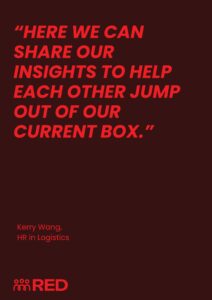
At a recent R.E.D. roundtable, a manufacturing HR Director shared:
“We used to scramble every time someone left. But once we formalized shadowing and made SOP updates part of quarterly reviews, we were no longer caught off guard. It changed the way we viewed exits—not as risk, but as part of healthy talent flow.”
Final Takeaway
Knowledge transfer is more than an admin task—it’s a strategic continuity tool. By building it into your offboarding and team rituals, you protect institutional knowledge, reduce stress, and support business continuity.
Related Articles from R.E.D. Insights
Explore more strategies for sustainable people practices: