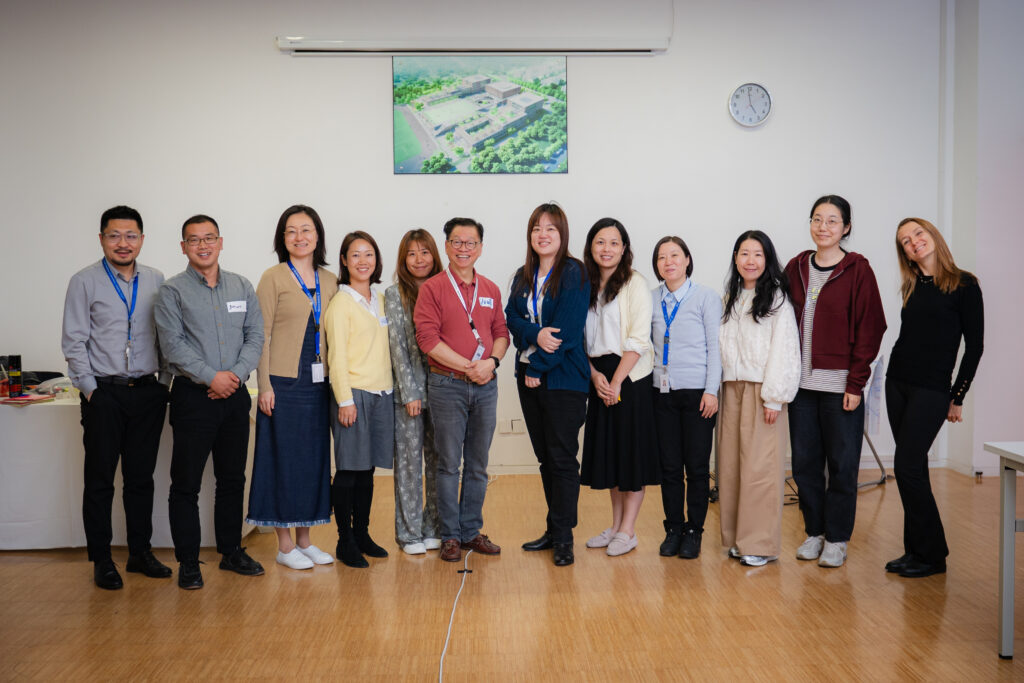
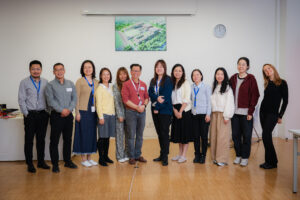
The second PMP project management session at the French School felt both like a continuation and an elevation of what we learned last time.
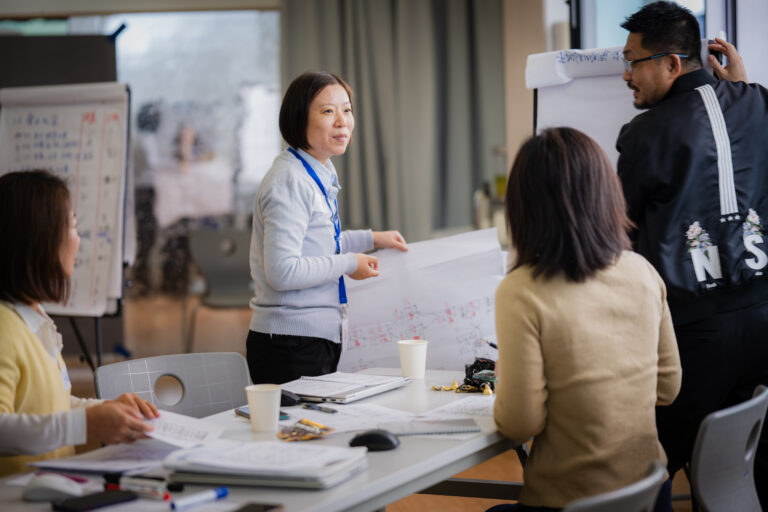
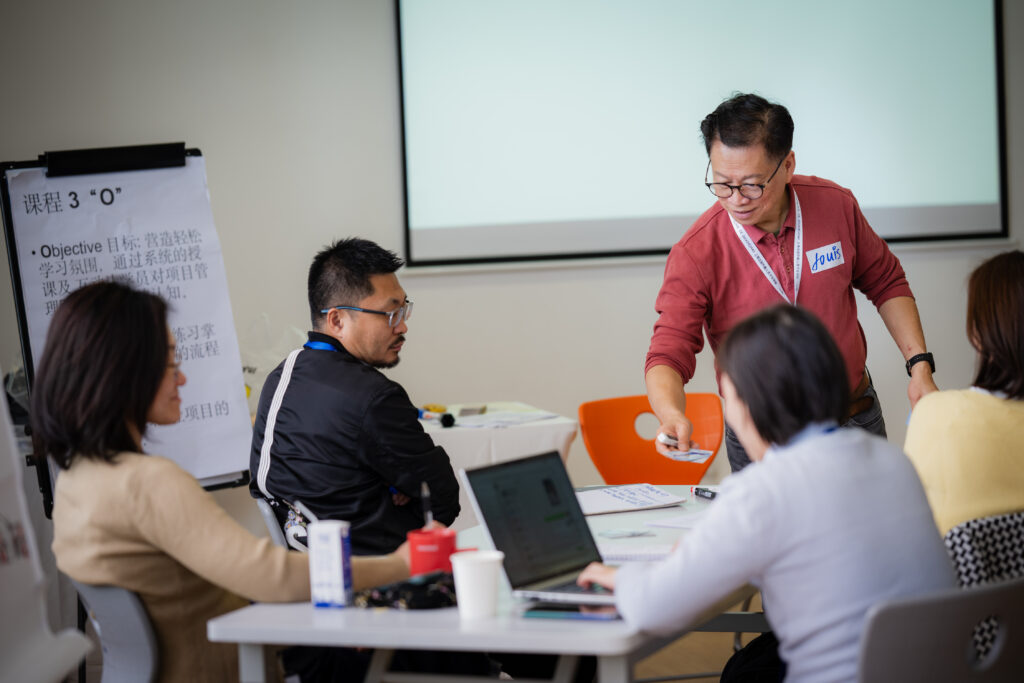
With new case scenarios divided among three groups, the training room became a mini project lab. The Gantt charts created in the previous session were no longer just exercises; they became the backbone of real discussions. Watching participants debate timelines, budgets, and responsibilities was a vivid snapshot of how project management works in the real world: structured, collaborative, and surprisingly human.
1.When Tools Start Shaping Decisions
As each group unpacked their scenario, the Gantt chart transformed into more than a visual aid — it became a thinking partner.
Teams:
Recalculated timelines with precision
Weighed budget allocations carefully
Explored how role assignments would impact execution
Project management isn’t only about planning. It’s about bringing order to complexity, so decisions move forward rather than sideways.
Visualizing complex tasks with a timeline or checklist helps break work into steps, assign rough deadlines, and clarify priorities — making decision-making faster and more effective.
2.Ownership Creates the Rhythm of Collaboration
Across all three groups, one instinct stood out: assign clear owners. Not to distribute pressure, but to distribute clarity.
When each segment of a project is held by someone who understands its purpose:
Progress feels intentional
Coordination becomes collaborative rather than reactive
Teams move in a shared rhythm
Even small responsibilities benefit from clear ownership. Assigning responsibility for each part of a project improves focus, coordination, and team momentum.
3. Small Reminders Have the Biggest Impact
The most lasting insight wasn’t the casework — it was something our trainer Louis said almost casually:
“Project management isn’t only for big construction projects or budgets with many zeros. It’s already woven into everyday life.”
Think about it:
A paper due this semester
A to-do list that keeps your week on track
How you structure your day
Breaking tasks into steps, assigning priorities, and planning intentionally allows you to move forward with ease, rather than reactively managing your day.
From Structure to Freedom
At its core, project management is not about control — it’s about clarity:
Clarity gives ideas direction
Clarity gives teams confidence
Clarity gives our daily lives room to breathe
When structure becomes a gentle companion instead of a constraint, we don’t just manage projects — we manage ourselves with greater intention.
Even simple planning tools or timelines can help you stay intentional, reduce stress, and make both work and daily life flow more smoothly.
Our Key Takeaways
From this session, we walked away with four powerful insights:
Mindset shapes success: Project management isn’t about control — it’s about clarity. Seeing structure as a tool frees creativity, focus, and intentional action.
Ownership drives alignment: Clearly assigning responsibility ensures progress is smooth, coordination is easier, and everyone knows their role.
Small actions create big impact: Applying project management principles to daily tasks
— breaking down projects, prioritizing, and planning — transforms both productivity and peace of mind.
Tools work when used purposefully: Timelines, Gantt charts, and checklists are most effective when they guide decisions, not just record them.
By embracing these lessons, we don’t just manage projects — we manage our work, our teams, and our days with greater confidence and clarity.
Ready to Apply Project Management Skills Today?
If your team or personal workflow would benefit from clearer structure and more intentional planning, INTANDID’s training programs are designed to turn project management principles into practical, everyday habits.
Through interactive workshops, real business cases, and hands-on exercises, we help individuals and teams move from theory to execution—planning better, collaborating more effectively, and delivering with confidence.
Explore INTANDID’s training programs and equip your team with the tools to work with clarity, focus, and impact.