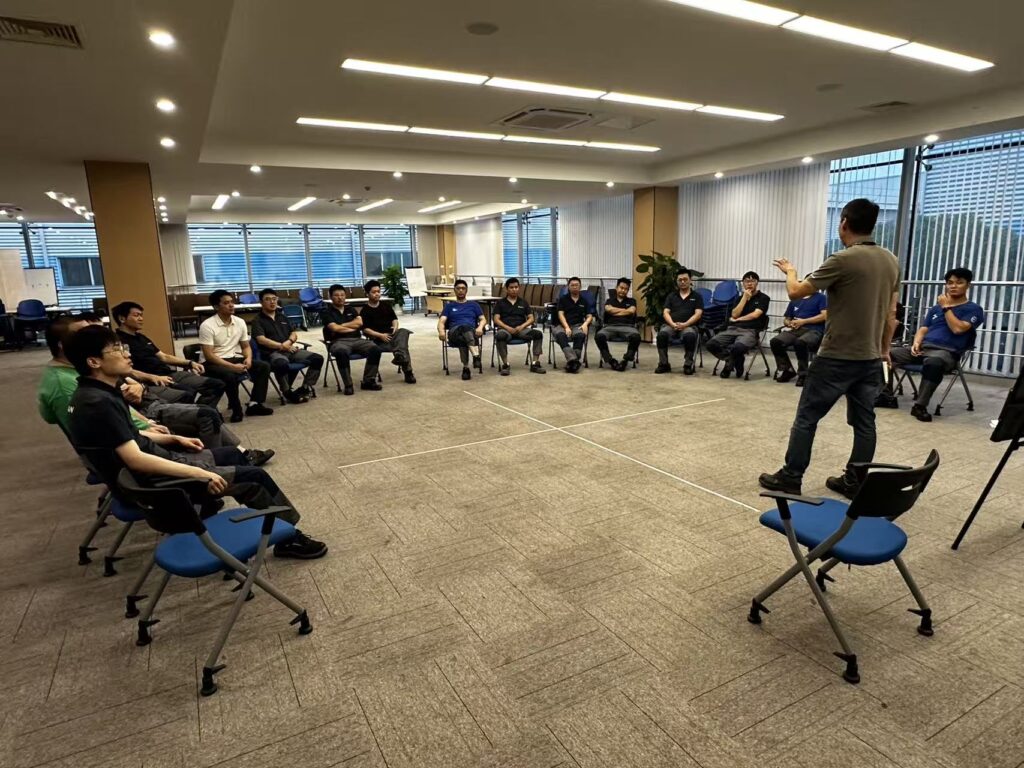
Employee communication challenges in China are often not caused by a lack of ideas, but by a lack of psychological safety. As a result, many employees choose silence because they do not believe speaking up will create positive change.
Building a strong employee feedback culture in China is one of the biggest challenges many companies face today. Leaders often say:
“My employees do not communicate enough.”
Instead the real question is whether employees feel safe and encouraged to share their concerns. Sometimes the real question is:
“Have we created a reason for them to communicate?”
During a recent coaching program with a 110-person team in Suzhou, one key discussion emerged:
Employees often do not stop speaking because they have nothing to say. They stop speaking because previous experiences taught them that speaking does not create change.
Why Employees Stop Speaking Up in China?
Building an Employee Feedback Culture in China Starts with Listening.
In practice, it means listeneing even to complaints. Indeed, complaints are like signals. When employees complain, many managers see the problem:
“Why are they always negative?”
However, complaints are often information. They reveal:
- frustration
- unmet needs
- unclear expectations
- operational problems
- relationship issues
The question is not: “How do we stop complaints?”
The better question is: “What are employees trying to tell us?”
These employee communication challenges in China affect decision-making, engagement, and the ability of leaders to identify problems early.

How Leaders Can Encourage Employees to Share Problems: Five-step trust-building response
Research from Google’s Project Aristotle highlighted psychological safety as one of the key factors behind effective teams.
To create an employee feedback culture in China, leaders need to rethink how they respond to concerns. When someone raises a concern, leaders have five responsibilities:
1. Listen to the smallest problems
Small issues are often early warning signals. That’s why ignoring them does not make them disappear.
2. Receive feedback with an open mind
Listening does not mean agreeing. Instead, it means showing: “I understand why this matters to you.”
3. Communicate your understanding
A simple paraphrase can change everything: “What I hear from you is that the main challenge is…”
As a result, this confirms that the message was received correctly.
4. Be transparent about action
Leaders do not always have the answer. But they can explain: “What I can do is…”, “What I cannot change is…”
5. Close the communication loop
The biggest trust killer is silence after feedback.
Employees need updates:
- What changed?
- What did not change?
- Why?
Even when the answer is “no,” communication builds trust.
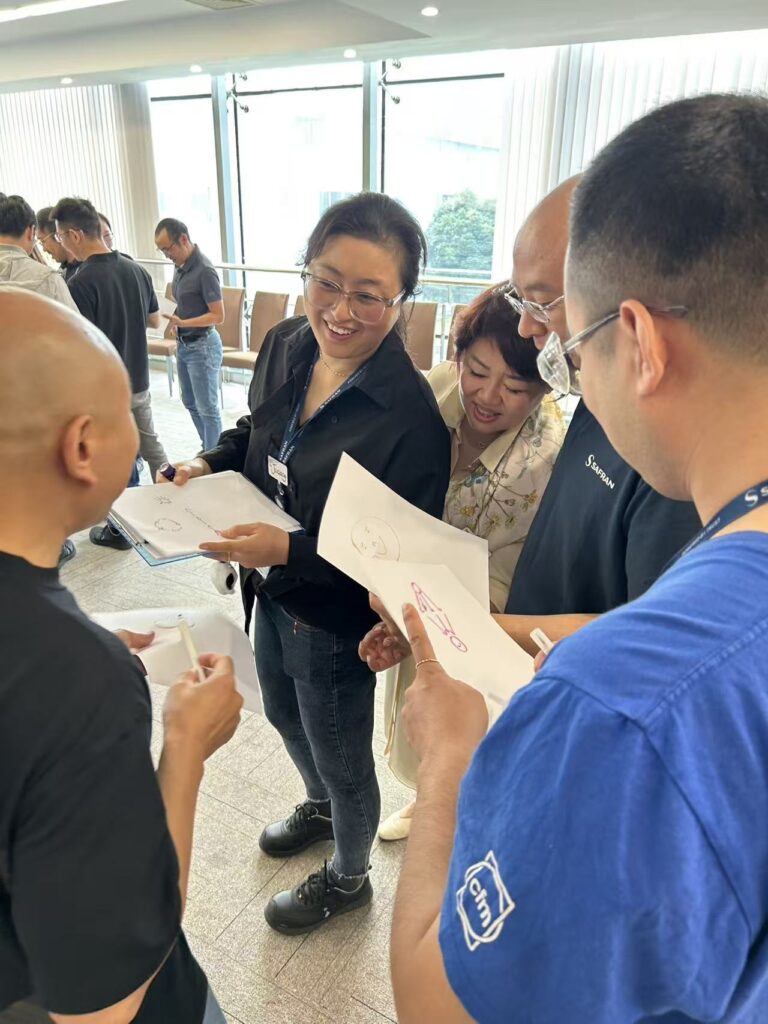
The Role of Leaders in Creating Open Communication and Trust
Trust is measured by what happens after people speak up. A healthy employee feedback culture in China is not built through surveys alone. And a company’s culture is not defined by posters on the wall. It is defined by what happens when someone raises a difficult topic.
Do people get ignored?
Do they get punished?
Or do they see that their voice creates dialogue and improvement?
That is where trust begins.
Do you want to create an environment where people speak up?
Addressing employee communication challenges in China requires leaders to build trust, listen actively, and create environments where employees feel safe sharing concerns.
INTANDID partners with companies in China and APAC to develop stronger leaders, improve communication across hierarchy, and create healthier workplace cultures.
Through leadership coaching, employee engagement programs, and customized workshops, we help organizations transform intentions into actions.

Related Articles

From Slovakia to Shanghai: Why I Joined an HR Community to Learn How Professionals Really Connect

R.E.D. Learning Day: How HR Directors in China Influence Global Headquarters