How a Long-Term Leadership Development Partnership Helped Employees Speak Up and Strengthen Collaboration
Client Context before Team Coaching
This team coaching case study in China explores how INTANDID supported a 110-person team to strengthen communication, build trust, and improve collaboration. Through leadership coaching, strengths-based workshops, and facilitated conversations, the team identified barriers, developed new ways of working, and created a stronger foundation for long-term performance.
Rather than focusing on trainings, the organisation invested in leadership coaching to help managers build healthier conversations and stronger relationships across teams.
Over the past two years, INTANDID has partnered with this multinational company in China to support different aspects of their people development journey.
The collaboration started with leadership development initiatives and gradually expanded into several areas, including:
- Senior management retreats
- One-on-one coaching for employees
- Communication across silos
- Collaboration between different levels of hierarchy
- Team development programs
As the organization continued to grow, one important question emerged:
How can we create an environment where employees feel confident to communicate openly, raise concerns, and collaborate more effectively?
With a team of 110 employees, the company wanted to strengthen communication habits and build greater trust between employees and leade
The Challenge: Creating a Culture Where People Feel Heard
In many organizations, leaders often say:
“We want our employees to speak up more.”
However, encouraging employees to share their opinions is not only about asking them to communicate more.
It requires creating the conditions where people believe:
- Their voice matters
- Their concerns will be taken seriously
- Their feedback can lead to action
- Speaking up will not create negative consequences
For this team, the focus was not simply improving communication skills.
The deeper objective of the team coaching was building a stronger culture of trust, recognition, and accountability.
The Team Coaching Approach: Small Group Coaching to Encourage Honest Conversations
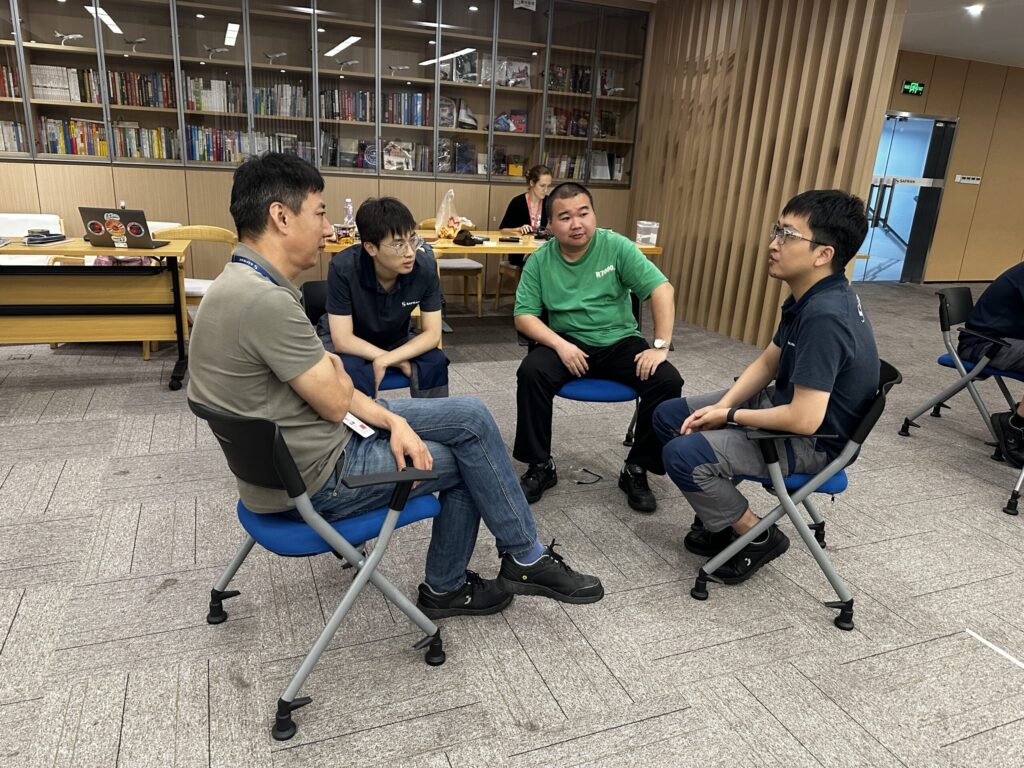
To support this objective, Coach Jie & Coach Yu Jia, facilitated the team coaching sessions. Both coaches were selected within the database of Intandid, and are ICF accredited, as well as specialized in ORSC (Organization & Relationship Systems Coaching).
Together, they designed a two-day team coaching program.
The 110 employees were divided into three smaller groups of approximately 20–25 participants.
In their preparations, the coaches created the environment for better conversations. The smaller group format created more opportunities for:
- Personal reflection
- Open discussion
- Peer learning
- Sharing real workplace experiences
Rather than providing theoretical training, the team coaching approach encouraged employees to explore their own communication patterns and understand how they contribute to team culture.
Creating Engagement from the First Five Minutes
One of the first exercises focused on a fundamental question:
“How willing are you to speak up when you encounter a problem at work?”
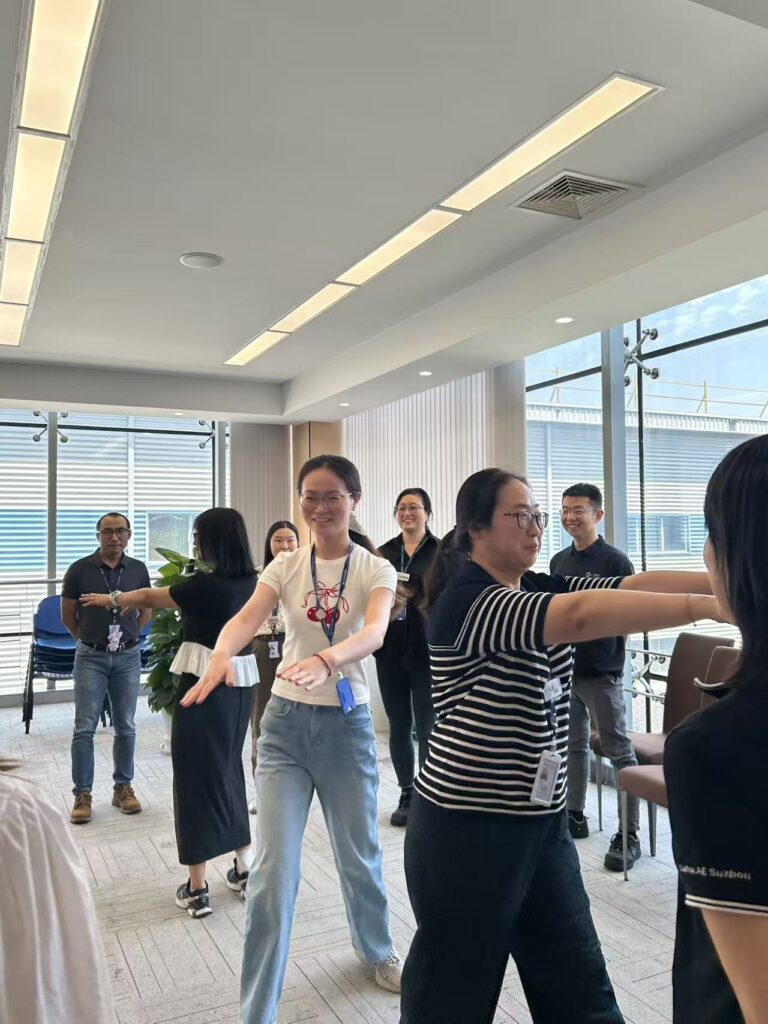
Participants were asked to physically position themselves based on their answer.
One side represented:
“I usually keep problems to myself.”
The other side represented:
“I will make sure people know about the issue.”
By asking participants to “vote with their feet,” the coaches immediately created engagement and made communication habits visible.
The exercise then continued with another question:
“What about today? How willing are you to speak up during this coaching session?”
The difference between daily workplace behavior and the coaching environment opened an important conversation:
What makes people feel safe enough to express their thoughts?
Key Insight: Recognition Is a Foundation of Engagement
Throughout the discussions, one theme appeared repeatedly:
认可 / 被认可 — recognizing others and feeling recognized.
Employees shared a simple but powerful observation:
“Everyone is working very hard.”
However, in fast-paced organizations, effort is not always visible.
People want to know:
- Does my manager understand my challenges?
- Does my contribution matter?
- Does someone notice the effort behind my work?
Recognition is not only about rewards or celebrations.
Often, it starts with everyday behaviors:
Listening carefully.
Acknowledging contributions.
Showing understanding.
Key Insight: Trust Is Built Through Small Problems First
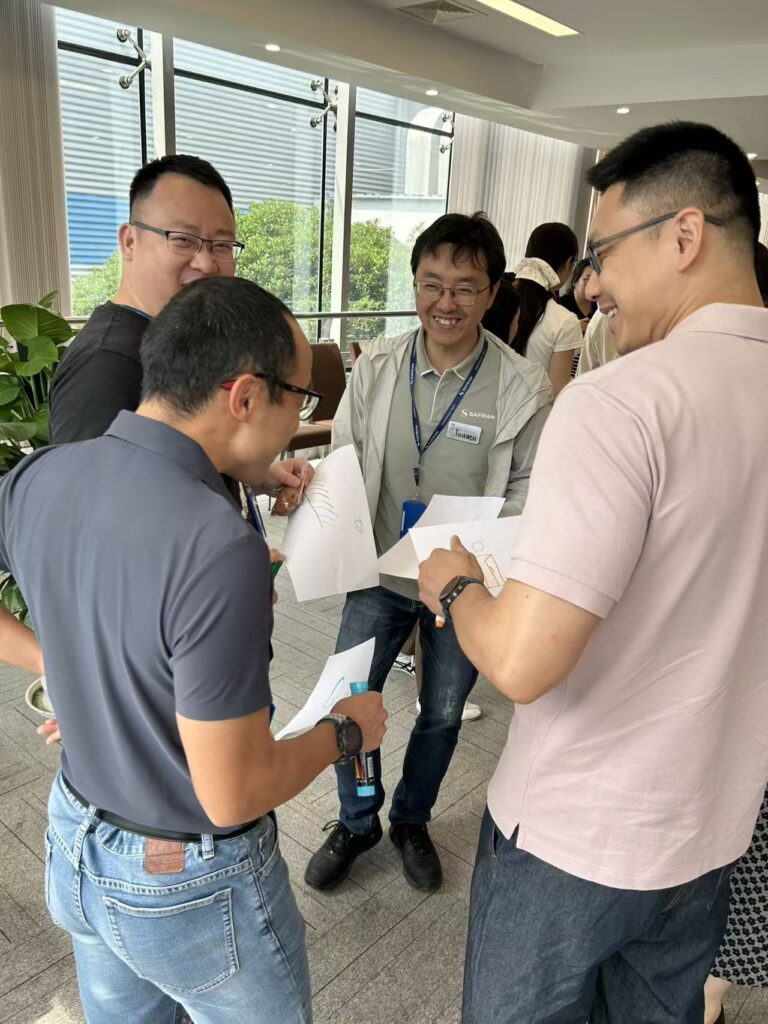
Another important discussion focused on how leaders respond when employees raise concerns.
When someone shares a problem, employees are not only evaluating the solution.
They are evaluating the response.
A trust-building response requires leaders to:
1. Listen carefully
Small problems often reveal bigger challenges.
2. Receive feedback openly
Listening does not always mean agreeing. It means showing respect for the perspective shared.
3. Clarify understanding
Leaders should communicate:
“What I understand from your feedback is…”
4. Explain possible actions
Be transparent about:
- What can be changed
- What cannot be changed
- Why certain decisions are made
5. Follow up
Closing the loop demonstrates that feedback creates impact.
Without follow-up, employees learn that speaking up does not make a difference.
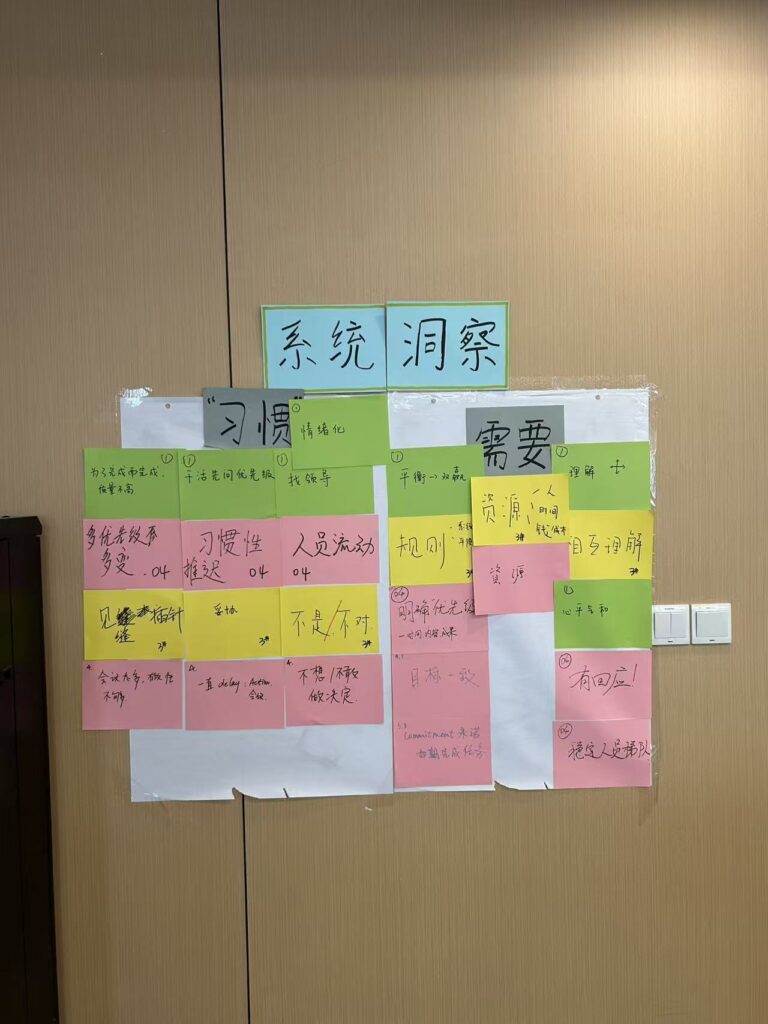
Outcomes: Moving From Communication to Connection
Through the coaching sessions, employees were able to:
- Reflect on their own communication behaviors
- Understand different perspectives within the team
- Recognize the importance of being both heard and heard by others
- Identify actions that can strengthen trust and collaboration
The sessions also provided leadership with valuable insights into employee expectations and communication barriers.
Lessons for Organizations in China
For companies operating in China, building open communication requires more than encouraging employees to “speak up.”
It requires leaders to consistently demonstrate:
- Curiosity instead of judgment
- Listening before responding
- Transparency after feedback
- Follow-through after commitments
A culture of trust is not created by one workshop.
It is built through repeated experiences where employees see that their voice creates dialogue, understanding, and action.
About INTANDID
INTANDID helps organizations in China and APAC develop stronger leaders, improve employee engagement, and build healthier workplace cultures.
Through leadership coaching, team development programs, and customized workshops, INTANDID partners with companies to transform intentions into actions.

Related Articles
From Slovakia to Shanghai: Why I Joined an HR Community to Learn How Professionals Really Connect

R.E.D. Learning Day: How HR Directors in China Influence Global Headquarters