How Culture Fit can be spotted, even on a TV Show
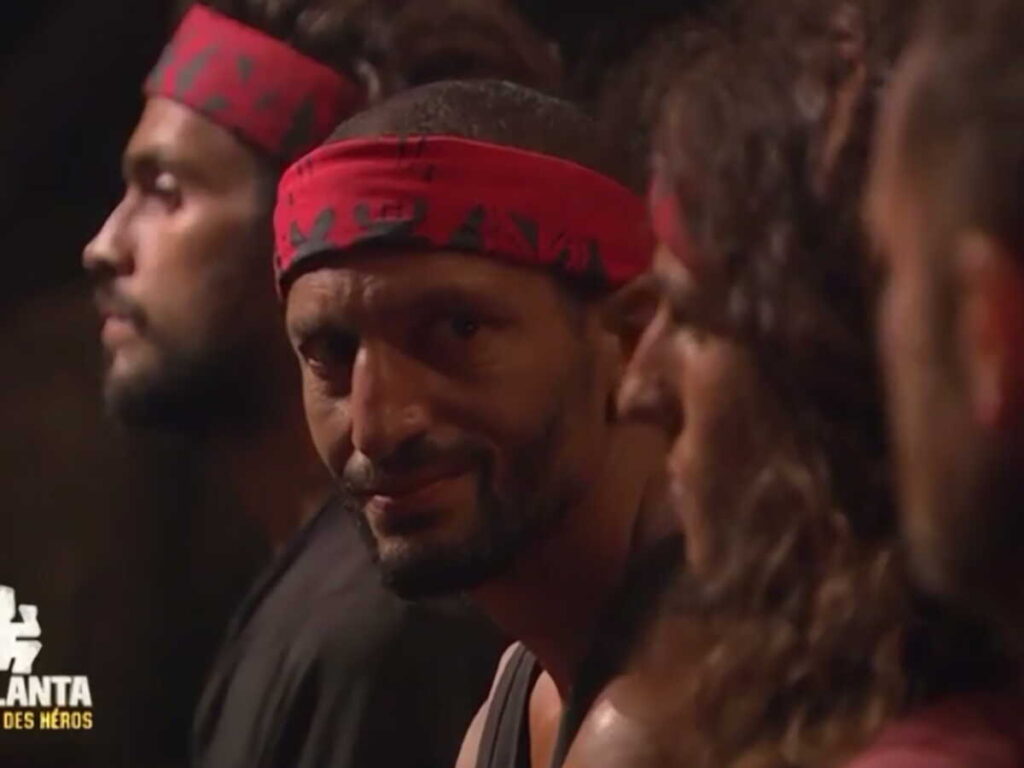
I’ve been watching the French version of Survivor, Koh Lanta, and one thing keeps showing up every season, no matter who the contestants are.
Some people say, straight to camera: “I’m not here to make friends.” Others say the opposite: “This is first and foremost a human adventure.” Neither group is lying. And by week four, you can always tell who’s who, because nobody can keep pretending under that kind of pressure.
One contestant last season made this obvious. He was physically one of the strongest players in the game. Every challenge, he delivered. And the group voted him out anyway, not because he was weak, but because he was unbearable. He was playing to win. Everyone else was playing something else, and eventually they didn’t want to play with him anymore.
That split isn’t a reality TV quirk. It’s the same split sitting inside every team you’ve ever built.
The two games – The two culture clashes
Every workplace has people quietly playing one of two games:
The Win Game. Results first. Recognition matters. Collaboration is a means, not the point.
The Adventure Game. The relationships, the shared experience, the “we built this together” — that’s the actual reward. Winning matters, but not more than the people next to them.
Neither is right or wrong. A sales floor stacked entirely with Adventure Game players might struggle to hit targets. A leadership team stacked entirely with Win Game players might hit every number and lose half the company to burnout and politics within two years.
The problem isn’t which type you hire. It’s hiring without knowing which one you’re getting, and building a team that’s accidentally lopsided.
Why Culture fit is hard to spot in an interview
People spend a huge amount of their time and energy at work. Long enough, under enough pressure, the masks come off, the same way they do on a reality show. But by the time that happens, you’ve already made the hire, built the team around them, and possibly lost someone else on the team who couldn’t work alongside them.
Interviews are built for people to perform. “Tell me about a time you worked in a team” gets you a rehearsed answer. It doesn’t tell you which game the person is actually playing.
A sharper culture question to ask
Here’s the version I’d put in front of any CEO or GM building a team:
If you were a contestant on a show like Survivor, would you play to win, or would you play to make it a human adventure you don’t regret — knowing it might cost you the win?
It sounds almost too simple. But the answer, and more importantly how someone answers it, tells you something a resume and three references usually can’t: what they’ll optimize for when the pressure is real.
The real work isn’t finding the “right” answer. It’s knowing, before you hire, what your team can actually hold. A team of all Win Game players needs a very different kind of leadership than a team of all Adventure Game players, and most companies have never actually decided which one they’re building.
I gave a TED Talk on the questions candidates should be asking you to find out what your culture is really like. Flip them around, and they become a sharp way to figure out what culture you’re actually building, before you go hire for it.
Related Articles

R.E.D. Learning Day Recap: How to influence headquarters from the region