
Intandid Virtual Training Recap: Giving and Receiving Courageous Feedback
A few days ago, a group of international participants came together for a virtual Couragous Feedback Training session focused on improving how teams give and receive feedback in global workplaces. During the session, they explored key challenges, tested practical feedback models, and shared real workplace experiences from across different cultural contexts
Courageous Feedback Training
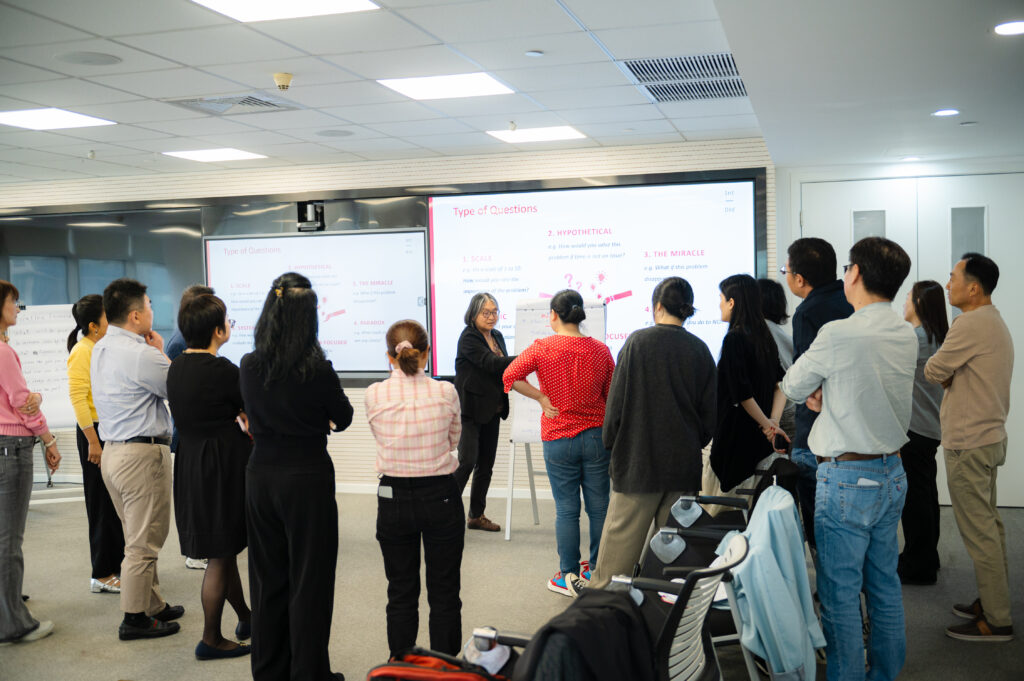
Participants joined from across the world through a live Teams call to take part in an interactive workshop focused on improving how teams give and receive feedback in the workplace.
The session focused on what effective feedback looks like in practice and how teams can move away from unclear or unhelpful communication toward more constructive and actionable conversations.
In addition, leadership highlighted a key concern before the session: as the company prepares for upcoming 360-degree reviews, they wanted to understand how cultural differences might influence honesty and openness in feedback as well.
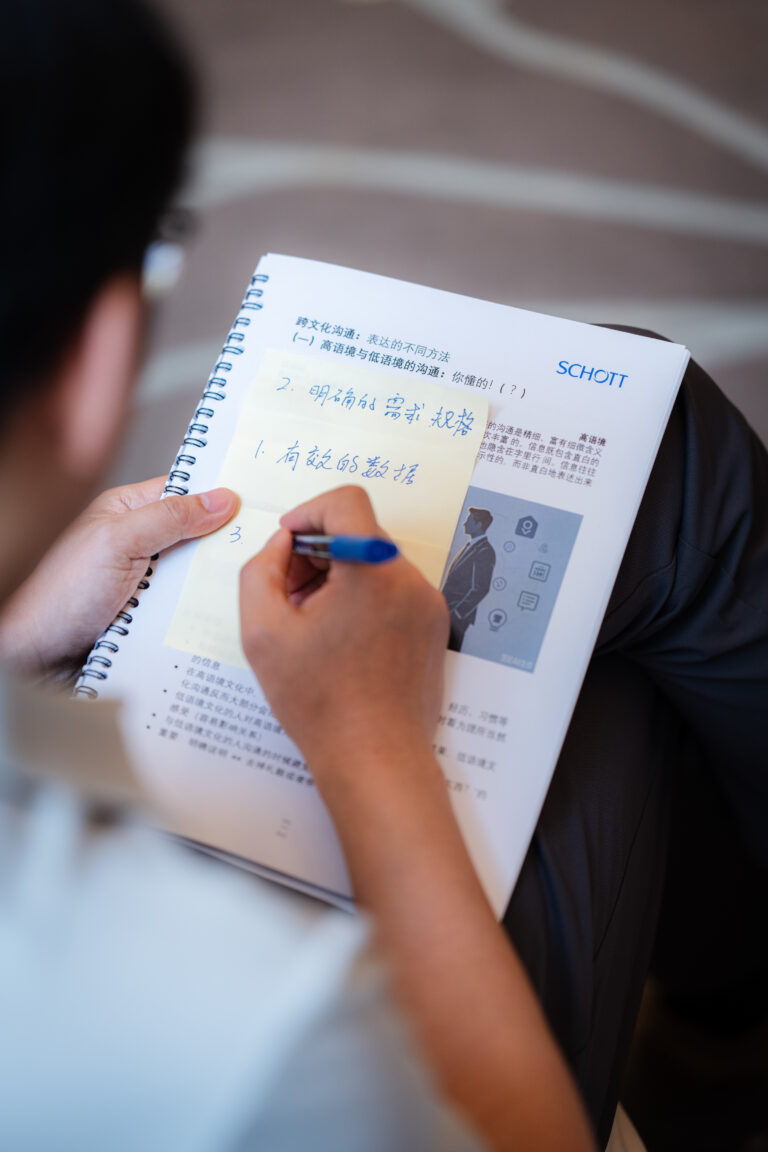
Understanding how the group feels about feedback
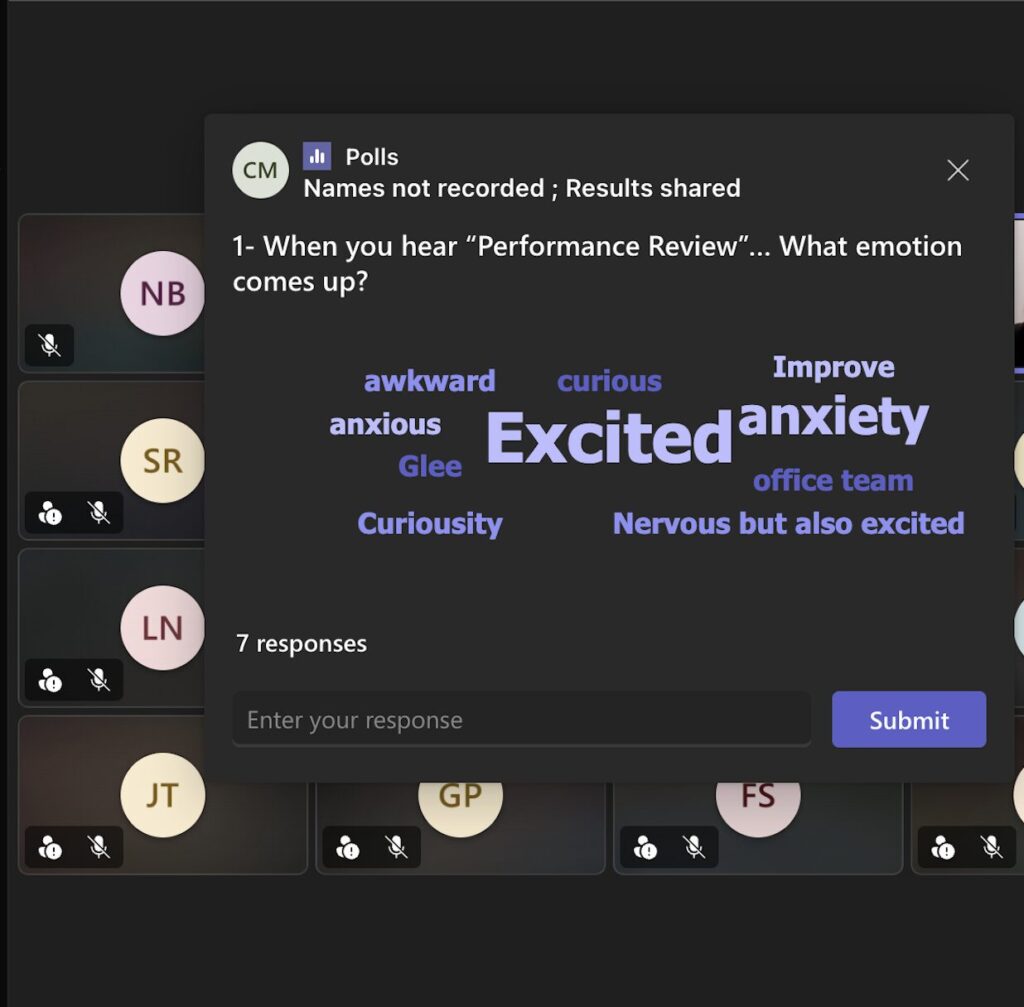
To begin the session, we ran a live poll to understand how participants felt about giving and receiving feedback.
The results showed a mixed picture. Out of 55 participants, 22 felt fairly confident, while 17 selected neutral. In addition, 7 participants felt slightly uncomfortable, and 1 person selected very uncomfortable.
We used this data to set a baseline for the session. More importantly, we wanted to see whether these perceptions would shift after the Courageous Feedback Training.
Starting with Team Strengths
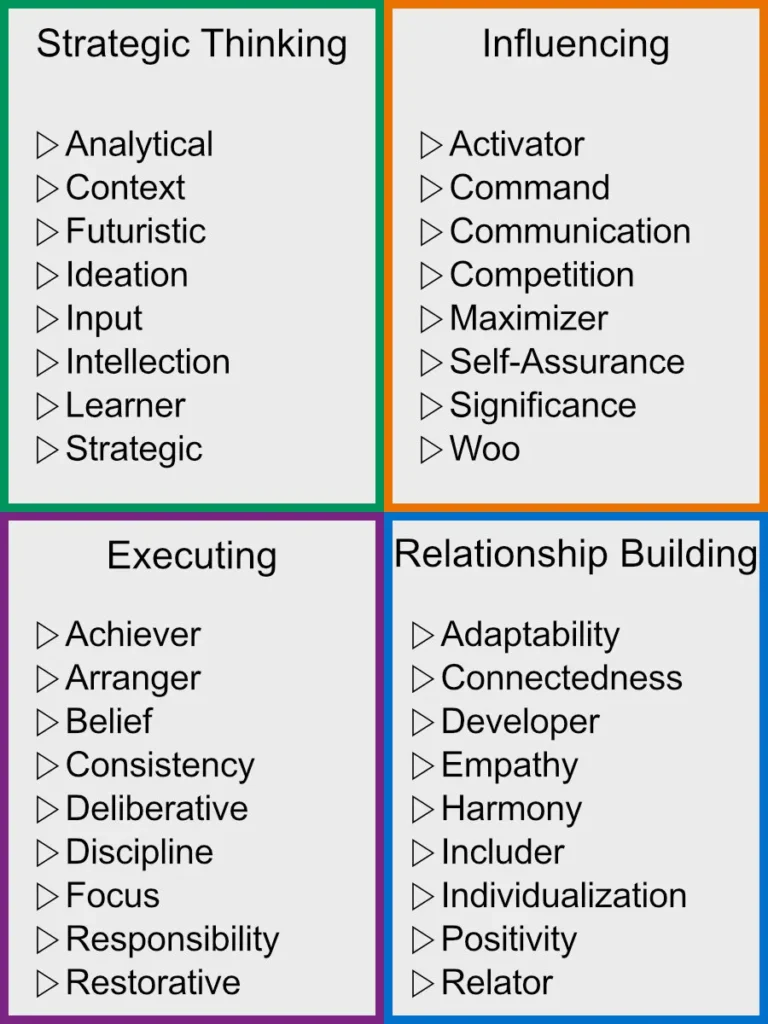
Next, we moved into Gallup Strengths. Since participants had already completed the assessment, they quickly engaged with the exercise.
We asked the group to identify strengths displayed on screen, and most participants responded confidently within one or two attempts. This created strong early engagement and helped set a positive tone for the session.
After that, we reviewed Transforma’s top five strengths as a group. A clear theme emerged: relationship building plays a major role within the organisation.
This sparked light discussion and a few moments of humour, which helped the group connect more naturally in a virtual setting. Overall, the energy in the session remained high, even online.
Two key models for Training
We then moved into the core of the Courageous Feedback Training, where we explored two practical feedback models.
First, we discussed the Sandwich Model. This approach focuses on reinforcing courageous and positive behaviour, then redirecting areas for improvement, and finally reinforcing again. The goal is simple: support growth while keeping communication balanced and constructive.
Second, we explored the SBI Model (Situation, Behaviour, Impact). This model helps structure feedback in a clear and objective way. It encourages people to describe the situation, explain the observed behaviour, and highlight the impact it created. As a result, feedback becomes more specific and easier to understand.
Together, these two models gave participants practical tools they can apply immediately in their day-to-day communication.
Learning how to receive feedback
After that, we shifted the focus from giving feedback to receiving it. This part of the session highlighted how important mindset is when handling feedback.
Participants discussed the value of staying curious instead of defensive. In addition, they explored how looking for patterns over time can help people interpret feedback more effectively.
We also emphasised that feedback works best when people see it as development input rather than personal criticism. This shift in perspective helps build stronger, more open teams.
Key takeaways and closing reflections
To conclude the Courageous Feedback Training, we shared a few recommended resources for further learning. These included The Carrot Principle and Never Split the Difference, along with other materials focused on communication and influence.
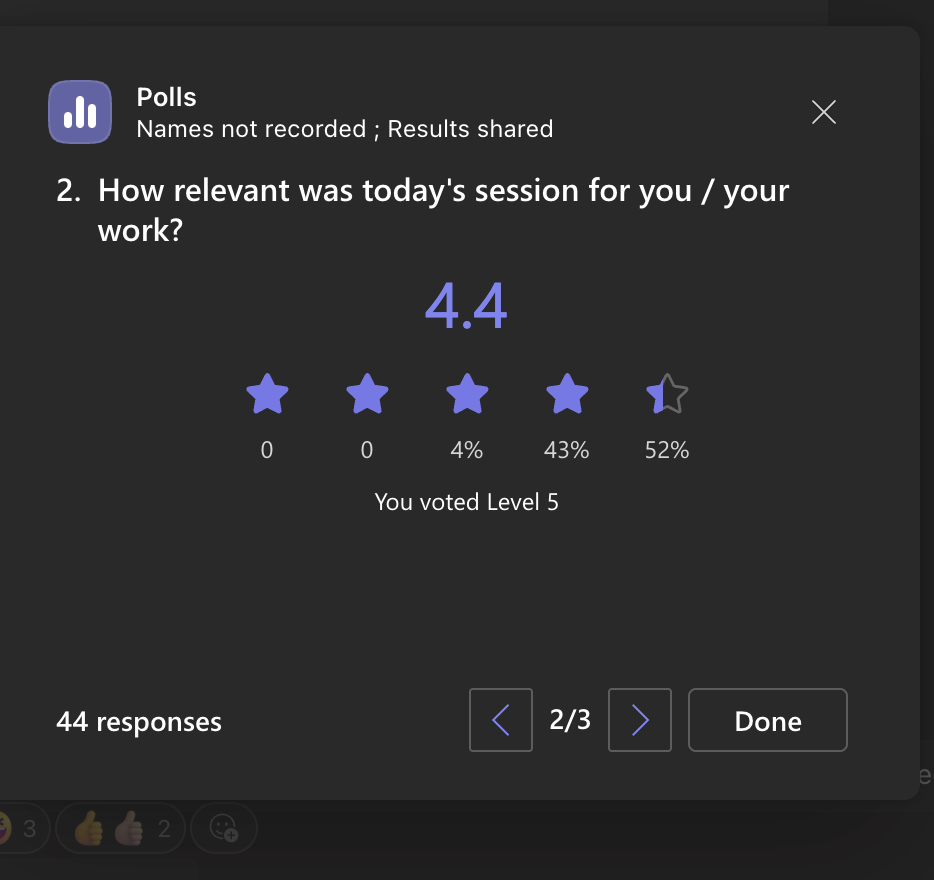
Finally, we repeated the initial poll to measure impact. The results showed a clear shift. This time, 93% of participants selected either fairly confident or very confident when it came to giving and receiving feedback.
This improvement highlighted a strong takeaway from the session: when teams understand how to structure feedback clearly, confidence increases and communication improves.
Overall, the engagement throughout the virtual workshop showed the real impact of practical, structured feedback training across global teams.
Want to know more?
If you’re leading diverse or global teams and want to build more confidence around giving and receiving feedback, this is exactly what we focus on in our Courageous Feedback Training programs.
We help teams turn feedback into a practical tool for growth, improve communication across cultures, and strengthen trust through structured, real-world frameworks.
Related Articles

How to write an award nomination that a jury can’t ignore: lessons from a juror