Building Stronger Cross-Functional Collaboration Through Experienced Coaching
Through open dialogue, interactive activities, and collaborative problem-solving, office employees and management explored new ways to strengthen cross functional collaboration, teamwork, and organizational effectiveness.
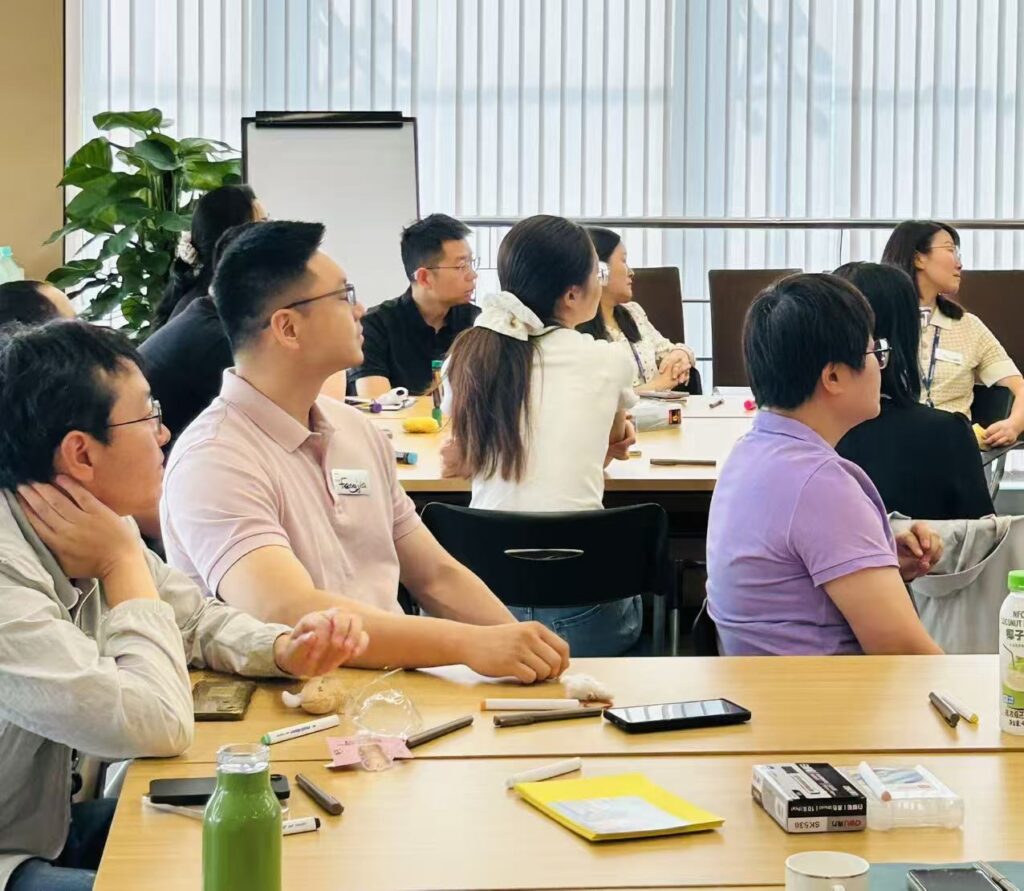
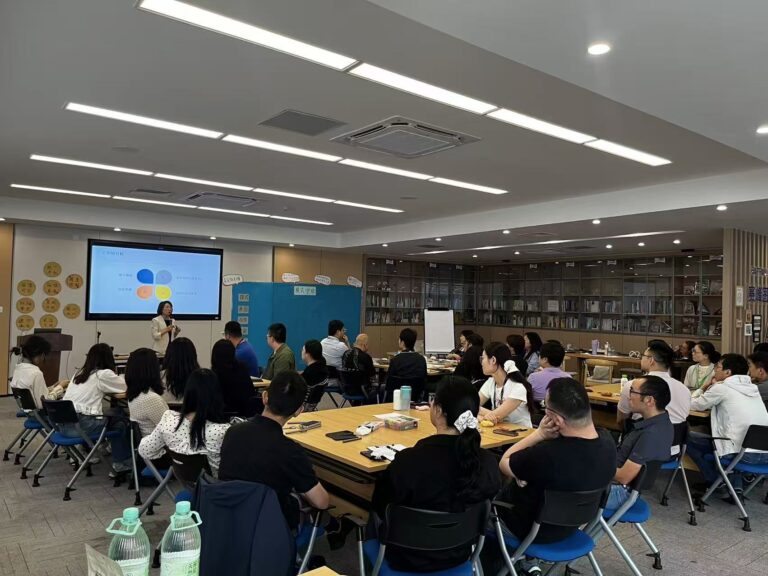
This week, the Intandid team facilitated a cross-functional collaboration workshop.
Bringing together employees, middle managers, and senior leaders from across the organization. For a day of open discussion and collaborative problem-solving.
Through a series of interactive activities, guided discussions, and team exercises, participants explored how they work together.
They identified barriers to effective cross-functional collaboration and worked on sustainable solutions.
Breaking Down Barriers & the Ice
Creating a safe space for dialogue is the priority
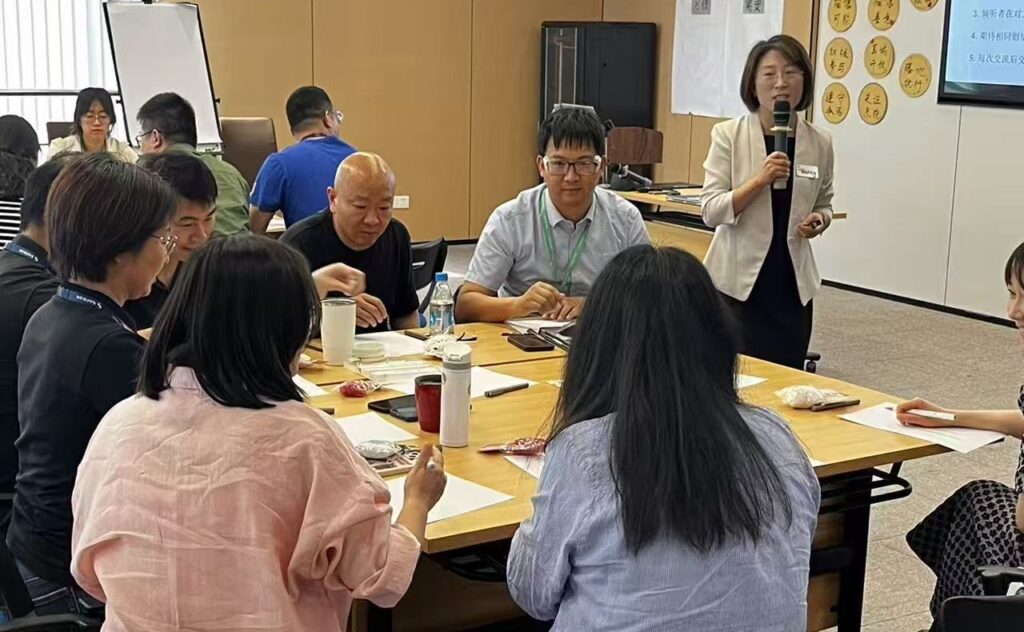
The day began with a creative icebreaker where participants used drawings, symbols, and small gifts to share their expectations for the workshop. As a result, we had an open environment for discussion.
Although participants came from different functions, many shared similar goals, including smoother collaboration, stronger information sharing, and stronger teamwork.
Understanding the Everyday Realities of Teamwork
Addressing the common issues amongst the group
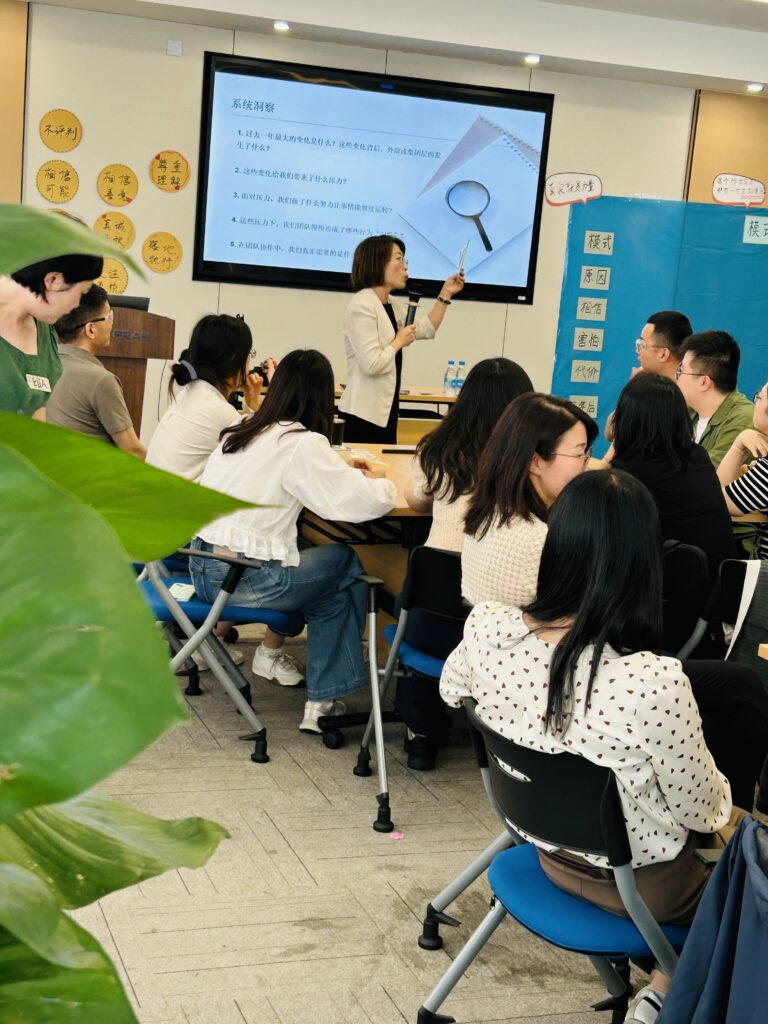
Through guided discussions and role-playing exercises, the group explored the realities of working across departments.
Participants reflected on recent changes within the business. They also discussed the pressures those changes have created and the habits teams have developed in response. As the conversation progressed, several common themes emerged. These included process delays, meeting overload, uneven workloads, and a reliance on a small number of key individuals.
In addition, the exercises highlighted the value of seeing situations through someone else’s perspective. Participants gained a deeper understanding of the challenges faced by other teams.
As a result, many were able to move beyond assumptions and focus on practical solutions. Ultimately, the discussions encouraged a more collaborative approach to addressing workplace challenges and improving teamwork across departments.
Building Real Collaboration Across Teams
Creative Activites that actually make an impact
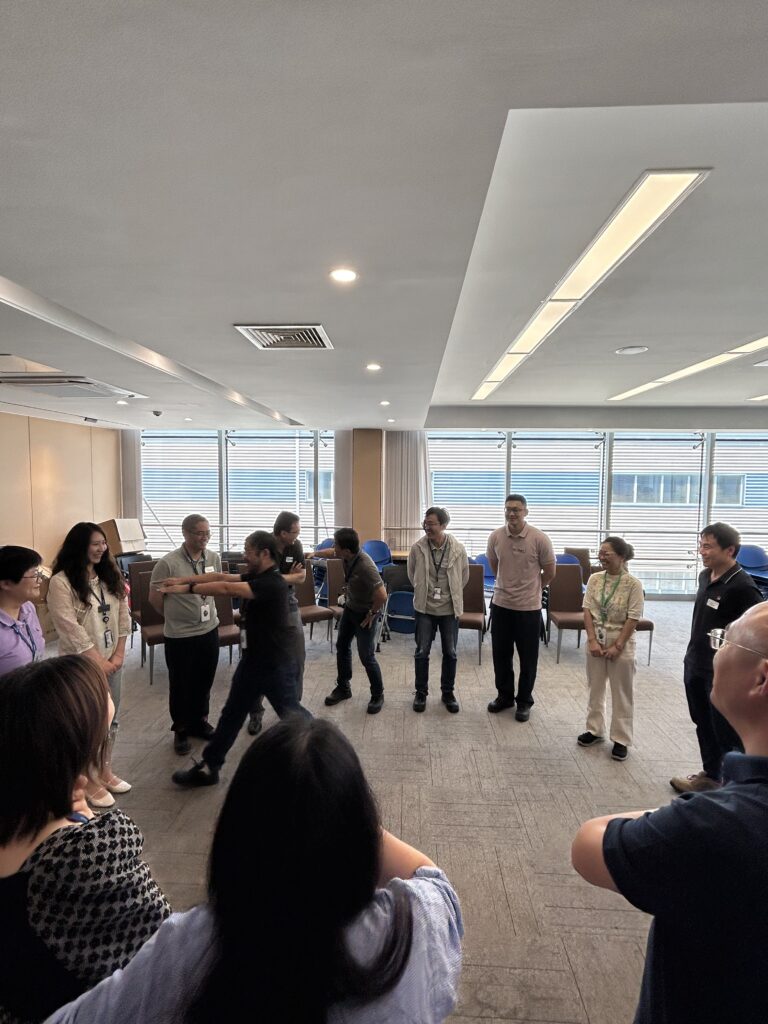
One of the highlights of the day was the “Zombie Game,” a team exercise that challenged participants to navigate unexpected disruptions while working together.
At first, the activity was filled with laughter and friendly competition. However, it quickly led to meaningful discussions about communication, decision-making, and how confusion can arise when expectations are unclear. The exercise also highlighted the importance of supporting others and working toward a shared goal.
Through the activity and follow-up discussions, teams explored what stronger collaboration could look like and identified practical actions they could begin implementing. As a result, participants left with a clearer vision of how they could strengthen teamwork and communication moving forward.
Turning Conversations Into Change
Steps towards sustainable team development
Towards the end of the workshop, senior leadership joined the discussion to hear feedback directly from employees. As a result, participants had the opportunity to engage in meaningful conversations across different levels of the organization. The open dialogue also reinforced a shared commitment to continuous improvement.
One theme that emerged throughout the discussions was the desire for greater ownership at all levels of the organization. Rather than relying on decisions to flow from the top down, the group explored ways to empower employees to make decisions within their areas of responsibility.
By encouraging greater autonomy, teams can respond more quickly, reduce bottlenecks, and create a stronger sense of accountability. In addition, this approach aligned closely with the goals that the general manager had for the team.
By the end of the day, the focus had shifted from identifying challenges to building solutions. More importantly, participants left with a deeper understanding of one another’s experiences. They also left with a renewed commitment to working together more effectively.
Ultimately, the workshop demonstrated how Cross-Functional Collaboration can help teams break down barriers, strengthen communication, and create practical solutions to shared challenges.
Related Articles
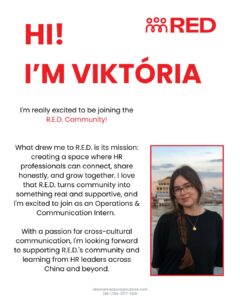
From Slovakia to Shanghai: Why I Joined an HR Community to Learn How Professionals Really Connect
R.E.D. Learning Day: How HR Directors in China Influence Global Headquarters