The Third Session, and a Different Kind of Energy
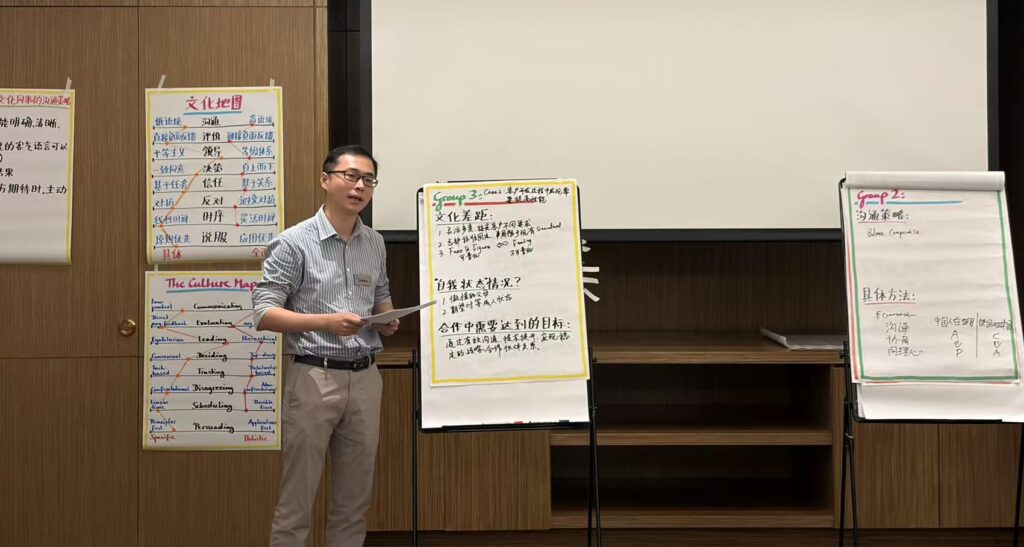
This week, we delivered Session 3 of the Speak Up Program at a leading manufacturing company, led by trainer Sonja, and this time, the format centered around a real case study workshop.
Compared to the first two sessions, something felt different in the room.
Participants weren’t just practicing how to speak up. They were showing us, through a real business challenge, how they now think about speaking up.
The Case: Balancing Speed and Flexibility Across Borders
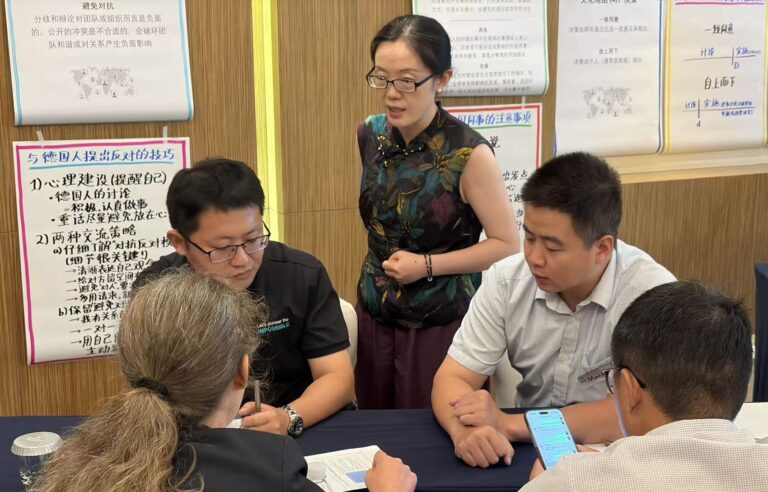
One participant shared a real situation they were working through.
Their goal was to convince their German colleagues to agree to bring materials to China for further processing.
On paper, this made sense. It could improve speed and flexibility for the China side. But there was a catch:
Moving the materials would increase costs.
So the real challenge wasn’t just “how do I ask for this.” It was:
“How do we reasonably divide the additional cost between both sides?”
As Sonja pointed out during the debrief, this is exactly the kind of conversation that usual “Speaking Up” trainings often miss. It’s not enough to have an opinion and share it. You need to bring a workable solution, understand the other side’s constraints, and negotiate toward something both sides can accept.
What Changed: More Ownership, Better Preparation
What stood out most wasn’t the outcome. It was how the participant approached the problem differently this time.
They showed ownership on two fronts at once:
- Upward: They actively asked HQ for support in communicating with the German side, instead of trying to navigate the relationship alone.
- Independently: They collected their own data to support their proposal, rather than relying only on assumptions or gut feeling.
At the same time, they didn’t only push their own agenda. They also took the time to understand some of the difficulties HQ was facing on their end.
Sonja highlighted this as a subtle but important shift. Early speak-up training often focuses on courage — just say what you think. But real influence, especially across cultures and hierarchies, comes from combining that courage with preparation, empathy, and a genuine willingness to see the other side’s constraints.
The Result: An Agreement, Not Just an Opinion
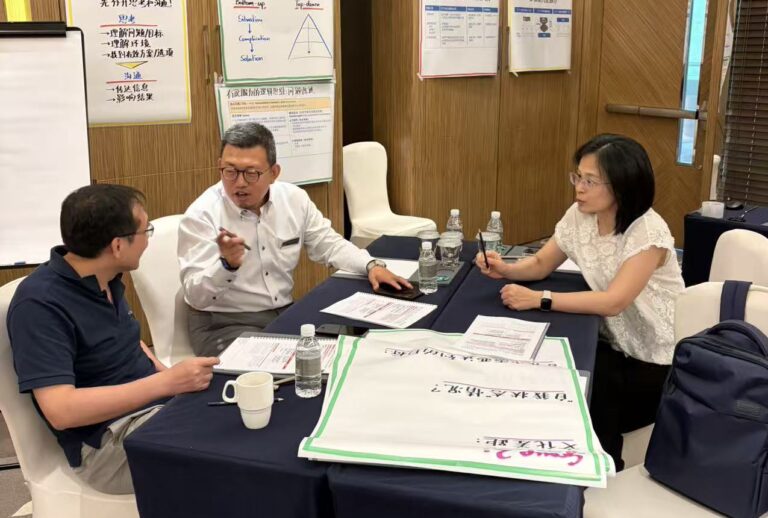
In the end, the German side agreed to support moving forward with the new approach.
Not because the participant pushed harder. But because they:
- Came prepared with data, not just an opinion;
- Asked for support instead of trying to solve everything alone;
- Acknowledged HQ’s difficulties instead of only stating their own needs;
- Proposed a reasonable way to divide the added cost, rather than ignoring the tradeoff.
That combination is what turned a request into an agreement.
What This Tells Us About Speaking Up
Across three sessions, we’ve watched participants move from finding the courage to speak to learning how to speak in a way that gets results.
Speaking up isn’t just about being heard. It’s about:
- Balancing your own goals with the other side’s reality;
- Bringing solutions, not only requests;
- Knowing when to ask for support instead of carrying everything alone.
That’s the shift Sonja and the team saw in this session, and it’s exactly the kind of change we hope to see by the time a program like this reaches its final stretch.
Looking to help your teams speak up with more confidence, ownership, and impact across cultures?
Contact us to explore how we can support your organization.
Related Articles
R.E.D. Learning Day Recap: How to influence headquarters from the region