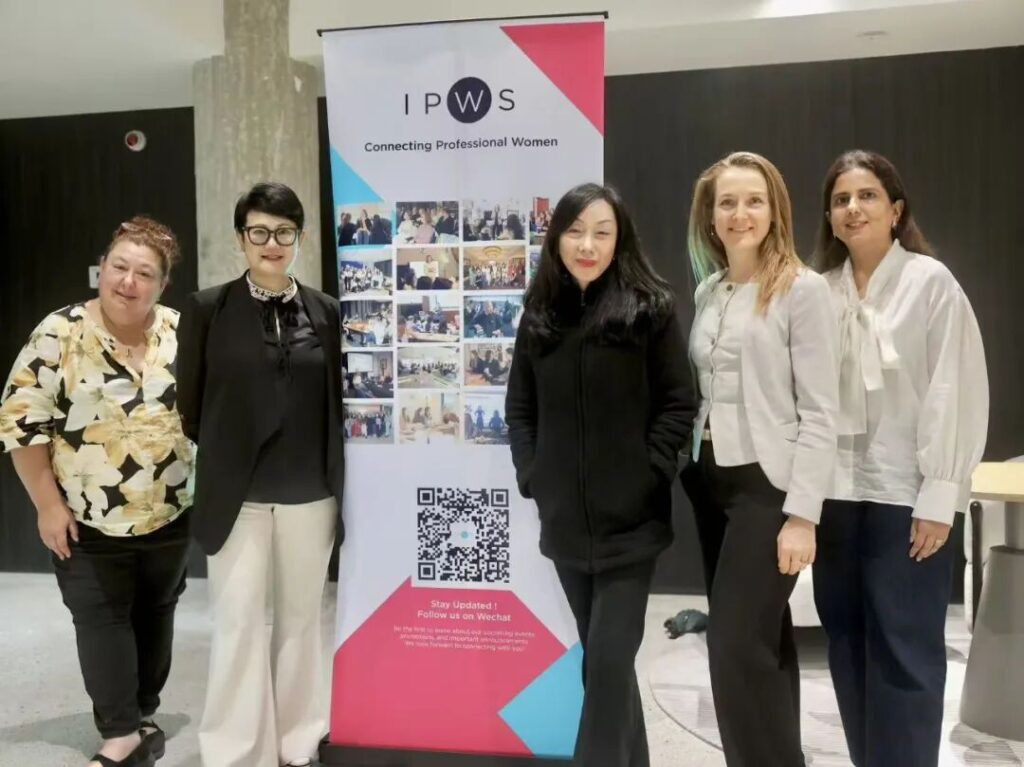
If you want to know how to write an award nomination that actually works, ask a juror what they wished they had seen. I was a juror for the IPWS Women Leadership Awards 2026 in Shanghai, and my answer is simple: proof. Many of the people I read about were remarkable. Their nominations didn’t show it.
That gap matters beyond awards. The same thing happens every time a manager writes a promotion case or a performance review full of praise and empty of evidence.
What a jury actually does with your nomination
The Women Leadership Awards are run by IPWS, the International Professional Women’s Society, and are described as the longest-running international award in China for women leaders. Male allies have been recognised since 2016.
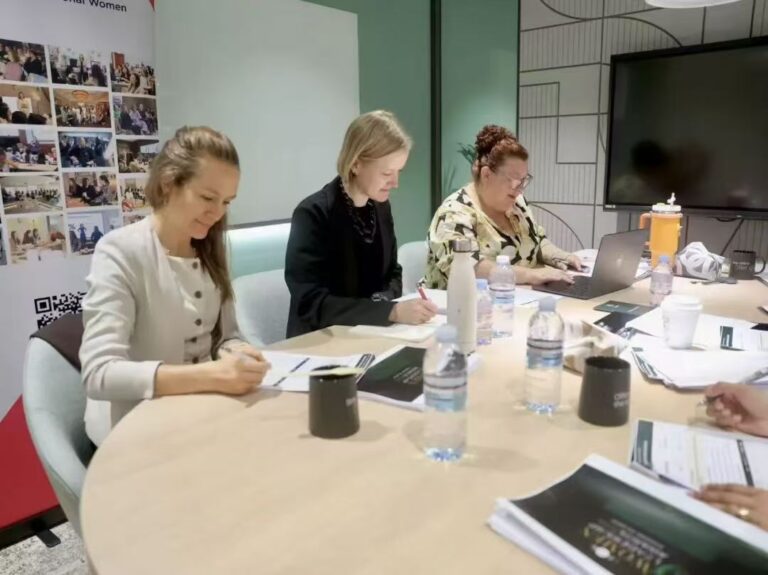
Before Jury Day, each juror scored the written nominations against weighted criteria. Then, last Saturday, a typhoon hit Shanghai and every finalist still showed up to their “interview”. We had 15 minutes with each person and spent the whole day debating.
I’ll be honest: being a juror felt strange at times. My scores on paper were one view among many, and the table didn’t always land where I had. Around that table sat people with very different backgrounds. What I came away with was respect for the process.
IPWS kept bringing us back to impact, and to the whole person rather than one impressive line.
Why most award nominations fall short
Most nominations are written by colleagues and friends. That’s generous, but it often produces sentences like these:
- “She empowered her team.”
- “She transformed the business.”
- “She is an inspiring leader.”
All of these may be true, but a juror who has never met her has no way of knowing. A claim with nothing behind it scores close to zero.
The Claim, Proof, Change test
This is the test I used on every nomination. Use it on yours before you hit submit.
- Claim: what does the nomination say she did?
- Proof: is there a number, a name, or a concrete example behind it?
- Change: what is different now because of her work?
Here’s an illustrative example.
Weak: “She is a strong advocate for women and has transformed her team.”
Strong: “In 18 months she promoted three women into director roles and rebuilt the team after a restructuring, with only two resignations in a year of growth.”
Same person, same story. Only the second one gives a jury something to score.

How to write an award nomination: practical tips
- Get one number per answer. Revenue, team size, people reached, promotions, retention. If you don’t know it, check it out. It’s worth the time.
- Name names (with permission). “She mentored Ellie and Jane from manager to director” beats “she mentors many women.”
- Show the before and after. Juries look for change, not just activity.
- Write it so a stranger understands it. The jury doesn’t know the nominee. Write for someone who has never heard about her.
The same test works for promotions and performance reviews
Recognition at work has real business weight. Gallup and Workhuman found that employees who receive meaningful recognition are 45% less likely to leave their jobs. Yet in most companies, recognition still lives in vague year-end comments.
A promotion case is an award nomination with higher stakes. If a manager can’t pass the Claim, Proof, Change test, the person they’re championing loses out, however good she is.
Recognition helps people see their own journey
What moved me most on Jury Day wasn’t the scoring. It was watching finalists look back at their own path, some of them clearly for the first time. We are so busy moving forward that we forget to notice what we’ve overcome.
Recognition is not only about celebrating achievements. It’s also about helping someone see the value of their own journey.
I’m still thinking about two of the stories I heard, and I hope to connect with both women after the ceremony on 14 November.
Back every claim with proof: a number, a named example, or a clear before-and-after. Juries score evidence, not adjectives.
Clear scope, personal contribution, measurable results, impact on others, and fit with the category. Strong juries also look at the whole person, not just one achievement.
Stick to the suggested word count, and use every sentence for evidence rather than praise.
Annual awards in China run by the International Professional Women’s Society (IPWS). They recognise women leaders and male allies across categories such as Corporate Business Leader, Entrepreneur, Young Achiever, Woman of Impact, HeForShe Man of the Year and Lifetime Achievement.
If your managers’ promotion cases and reviews are full of praise but light on evidence, good people get overlooked and leave.
At Intandid, we train managers to give specific, evidence-based recognition and feedback, through training, coaching and team coaching.
If you’d like your managers to make your people’s impact visible, contact us.

Related Articles
How to write an award nomination that a jury can’t ignore: lessons from a juror