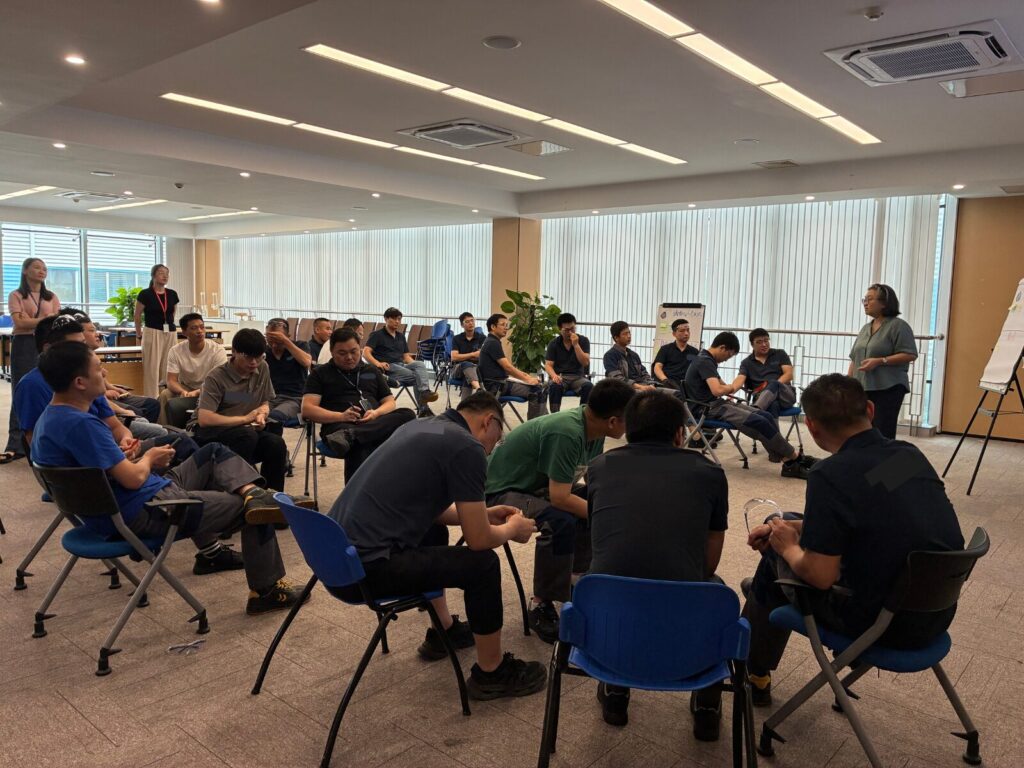
From “Getting It Done” to “Getting It Understood”: Communication Training for Leaders
Managing 2 people is easy. Ideas flow, and everyone’s willing to adjust.
Managing 4 people?
Suddenly coordination gets harder, needs multiply, and conflict creeps in.
What happens when managing more than 10 people?
The difference isn’t the people — it’s whether your employees understand what’s really being asked of them, and that you, as the leader, stay open enough to adapt to their communication needs.
That’s the core idea behind our recent Leader training: a single workshop doesn’t create real communication.
Ongoing reflection, repetition, and small course corrections build it over time. It’s what we call “通” tōnɡ (true connection), not just “说” shuō (talking).
The Iceberg Beneath Every Conversation
When someone says
“I don’t want to eat spicy food,”
that’s just the tip of the iceberg.
And most people stop there and take what they hear for face value. But as leaders, we need to learn to dig deeper.
Underneath this simple sentence might be a set of different reasons or factos: an upset stomach? an allergy? or they had spicy food earlier today and want another type of meal now?
The real reason behind the words.
Most miscommunication happens because leaders only respond to what’s on the surface.
3 Ways to Break Through
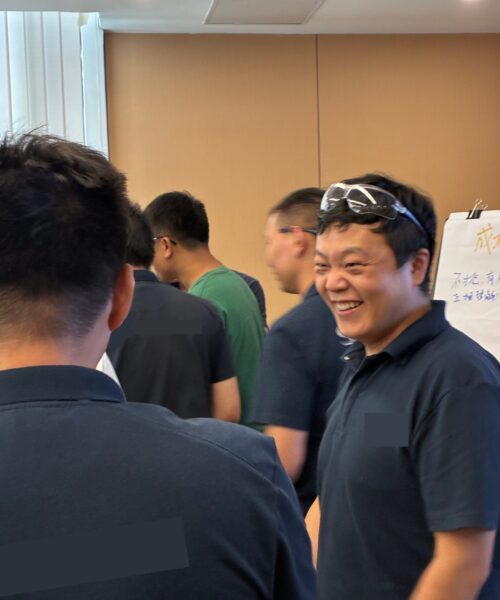
In a recent training with 30 leaders, we learned how to go deeper in our conversations, and create more understanding between the leader and their reports.
Here are 3 ways we practiced to go beyond the iceberg:
1. Listen Fully
- Let them finish. Don’t interrupt, don’t jump in. Just listen.
- Listen beyond the facts. Catch the unspoken emotions, needs, and values underneath their initial words.
- Confirm understanding: “Am I getting this right?”
2. Speak Clearly
- Translate intent into clarity —not ‘leadership said this, but why it matters, what success looks like, and who owns what.
3. Ask With Patience
- Don’t ask “yes or no” — ask “What’s your thinking here?” or “Where’s this getting difficult for you?”
- Real questions open dialogue. Closed questions shut it down.
This training equiped the leaders with practical tools to lead through understanding, not just instruction.
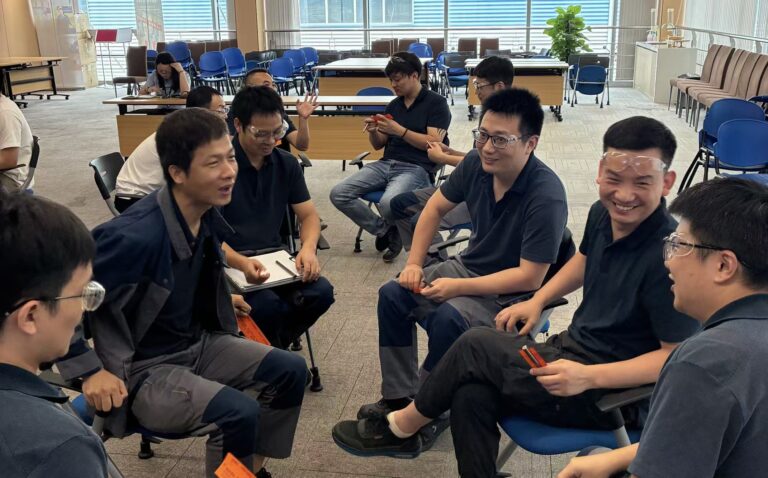
From Sandwich Managers to Communication Bridges
Effective communication does not happen through one conversation or one training session. It develops through continuous reflection, practice, and improvement.
By strengthening listening, asking, and telling skills, managers can move beyond being “caught in the middle” and become powerful bridges connecting people, teams, and organizations.
Looking to strengthen your managers’ effective communication skills?
Contact us to explore how we can support your organization.
Related Articles
From Slovakia to Shanghai: Why I Joined an HR Community to Learn How Professionals Really Connect

R.E.D. Learning Day: How HR Directors in China Influence Global Headquarters