R.E.D Learning Day!
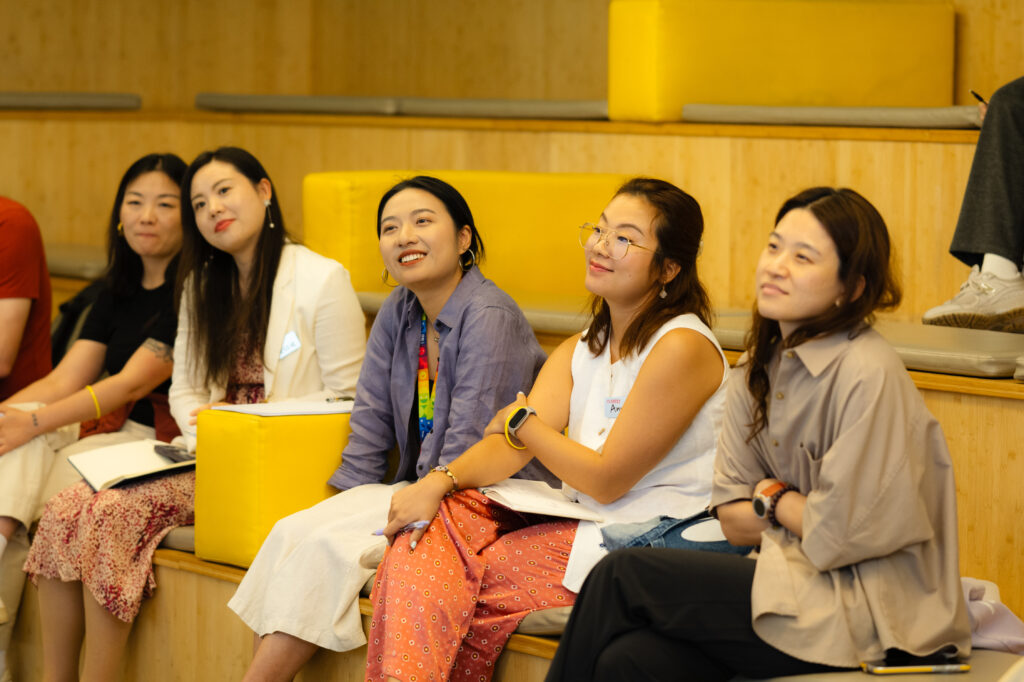
Diversity, equity, and inclusion in China is not a straightforward conversation, and that is exactly why Intandid dedicated an entire R.E.D. Learning Day to it. On June 25th, HR leaders and directors came together in Shanghai for a panel discussion that challenged assumptions, surfaced unexpected insights, and reminded everyone in the room why these conversations matter.
When one word changes everything.
DEI means different things to different people, and that is precisely the point. This year’s R.E.D. Learning Day brought together HR directors and leaders in Shanghai for an honest, ground-level conversation about what diversity, equity, and inclusion actually looks like in China.
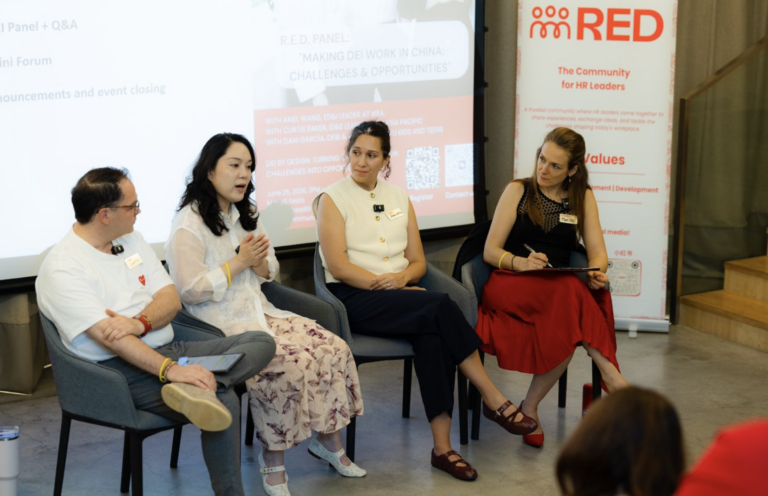
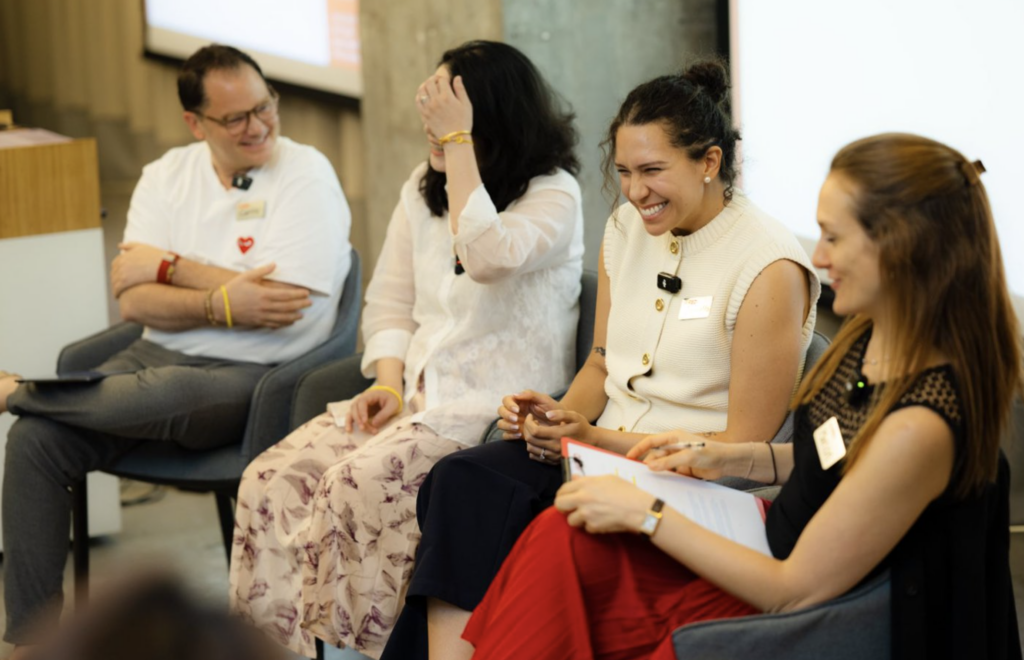
We had 3 Featured speakers, Curtis Baker, Former DEI leader at DOW, Daniella Garcia, Employee Experience at YingFu (Education First) & Ariel Wang, DEI Leader at IKEA. Ariel set the tone before the panel had even fully introduced itself, drawing the room’s attention to something that most practitioners overlook: the very words we use to talk about DEI carry different meanings depending on where you are in the world.
Take “disability.” The UN definition is broader and more expansive than China’s, which centers on the loss of physical function. It was one example among many, but it stuck with the room and kept the conversation moving.
Why Definitions Drive Everything Else
This definitional gap matters far more than it might seem at first glance. If the starting point for understanding a concept like disability, or equity, or inclusion differs from country to country, then the policies, programs, and philosophies that follow will differ too.
As Ariel highlighted during the panel, when definitions diverge, so do activations. So do the targeted audiences, & so does the entire philosophy of what DEI means in practice.
For HR leaders operating across China and APAC, this is not a theoretical issue.
It shapes how you design a hiring process, how you write a policy, and how you measure progress. The conversation in the room reflected that reality clearly, with participants jumping in with examples from their own organizations.
The Panel: Local Context First
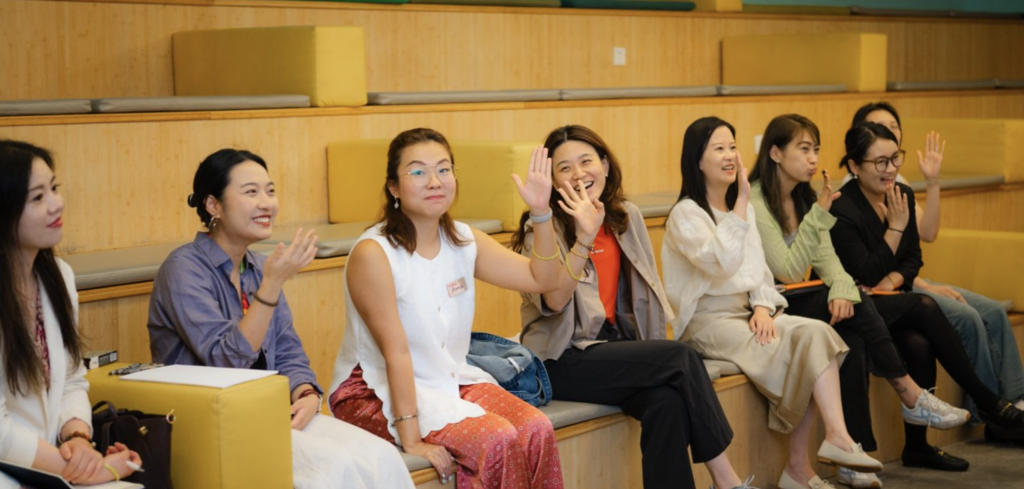
The panel brought together voices with real, on-the-ground experience driving DEI in China, and the discussion that followed was anything but surface-level. Speakers pushed back on the idea that Western DEI frameworks simply transfer into a Chinese business context. Instead, they argued that practitioners working here need to start from the local context first and build outward. They also pointed to the emotional and relational dimensions of inclusion that often go unspoken in formal policy documents but matter enormously in day-to-day culture. The room responded with energy throughout, and one moment in particular landed with the whole group.
A participant from shared the story of an interviewee he once met: brilliant, capable, and completely convinced that someone from his background simply did not belong at a prestigious company . That story cut to the heart of what inclusion actually requires. It is not enough to open the door. Organizations need to actively reach people who have never been told the door exists. From there, the conversation turned to hiring policy, the responsibility companies carry to recruit proactively from underrepresented talent pools, and what it truly means to build a workforce that reflects the world around it.
Breakouts, Benchmarking, and Real Peer Exchange
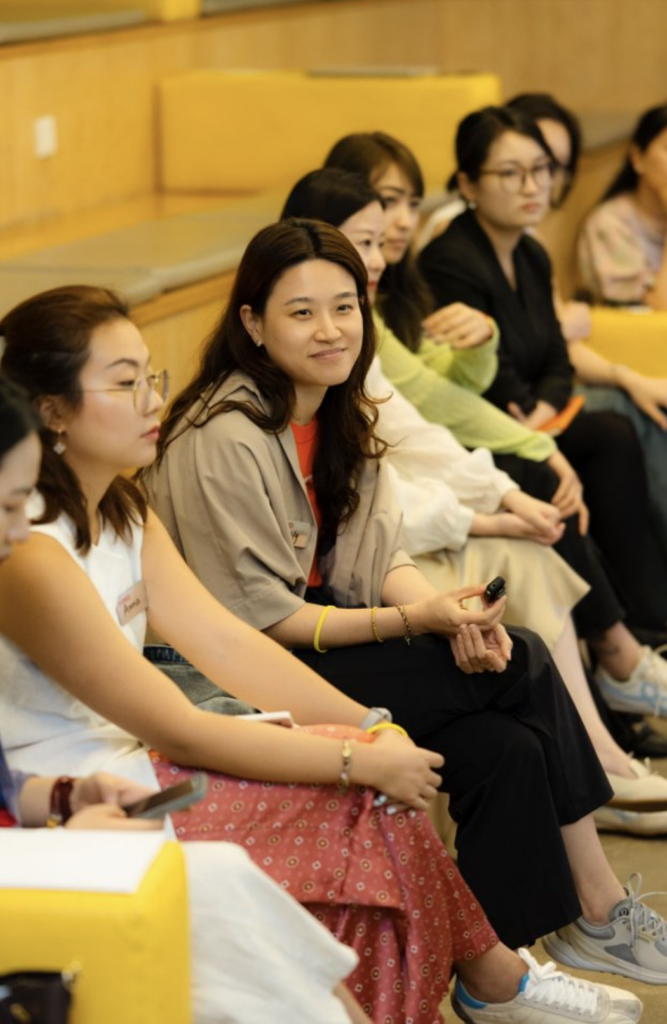
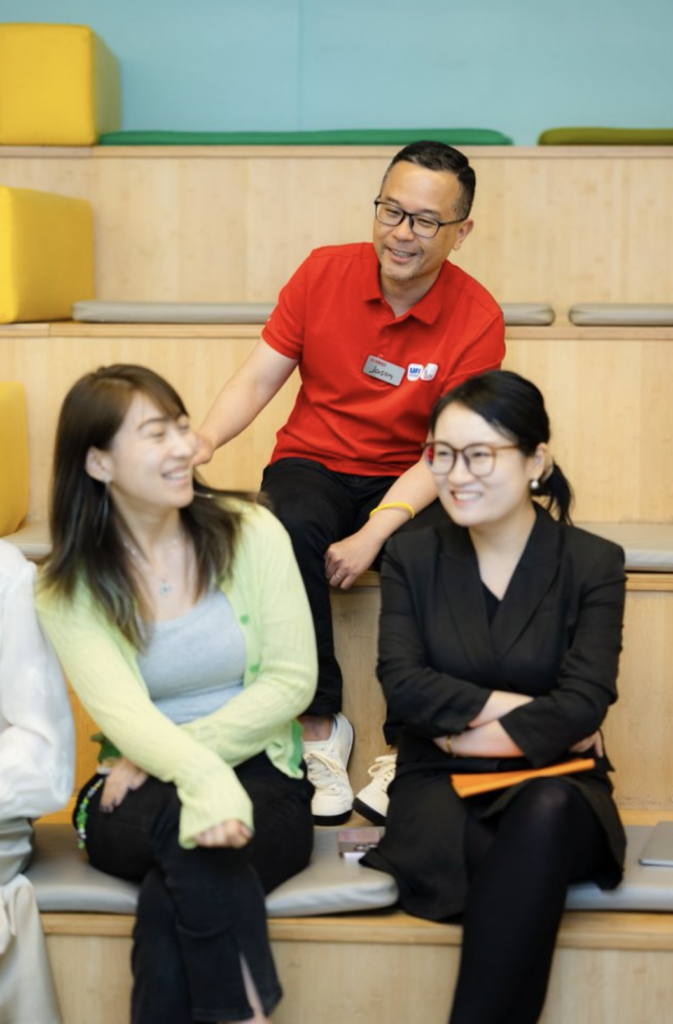
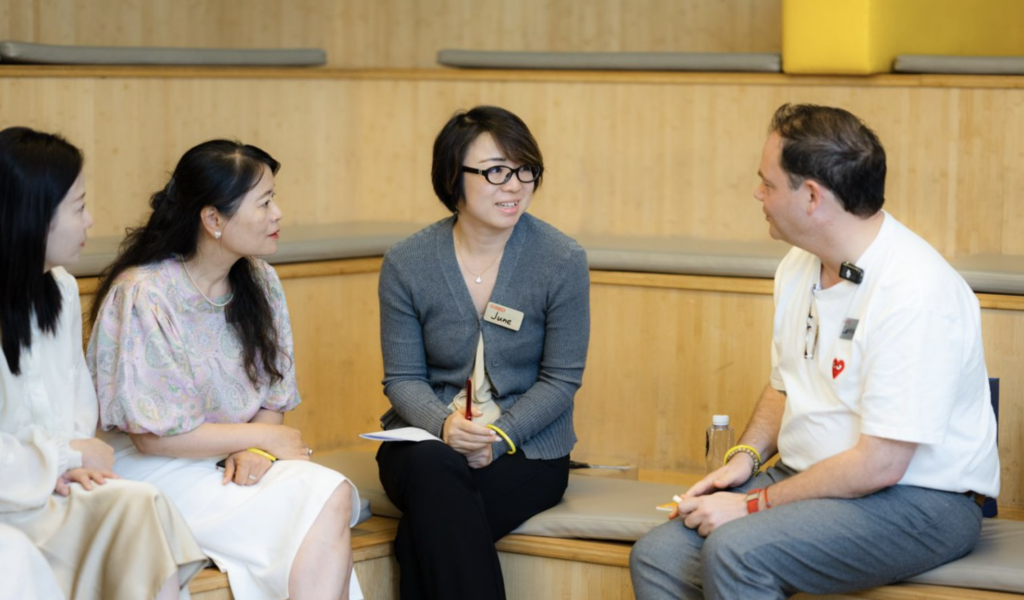
Beyond the panel itself, the breakout group sessions gave participants a genuine chance to work through the ideas together. Conversations flowed between HR directors and leaders who don’t often get the space to benchmark their thinking against peers. People exchanged approaches, challenged assumptions, and left those sessions with perspectives they had not walked in with.
That peer-to-peer exchange is precisely what R.E.D. is designed to create, and on this occasion it delivered. The networking throughout the day reinforced what DEI practitioners often say: inclusion does not happen through declarations. It happens through honest, sometimes uncomfortable conversations among people who are willing to do the work.
The Insight That Stays With You
What stood out most about this R.E.D. Learning Day was the reminder that doing DEI well in China requires humility about what we think we already know. When a single word like “disability” means something different depending on whether you are reading a UN convention or a Chinese legal document, that is not a minor translation issue.
It is a signal that the entire framework needs to be examined before the work begins. Even within the room, small revelations surfaced that shifted how people think. One participant noted that through just a short discussion, she realised that DEI functions do not always report to the CEO as commonly assumed. Sometimes they sit under other lines of the business, and in some cases, under HR itself.
A simple insight, but one that reframes how organizations structure accountability for inclusion. R.E.D. organized this discussion for exactly that reason: because the more HR leaders understand those foundational differences, the more effective, culturally grounded, and genuinely inclusive their organizations can become. The conversation continues, and we hope you will be part of it next time.

Related Articles
How to write an award nomination that a jury can’t ignore: lessons from a juror