
Communicating More Effectively with German Colleagues
Our second Speak Up Across Cultures workshop focused on cross-cultural communication training, addressing one of the most common challenges in international collaboration: how to communicate more effectively with German colleagues.
Through practical frameworks, real business cases, role plays, and interactive activities, participants explored not only communication techniques, but also the mindset behind successful cross-cultural collaboration.
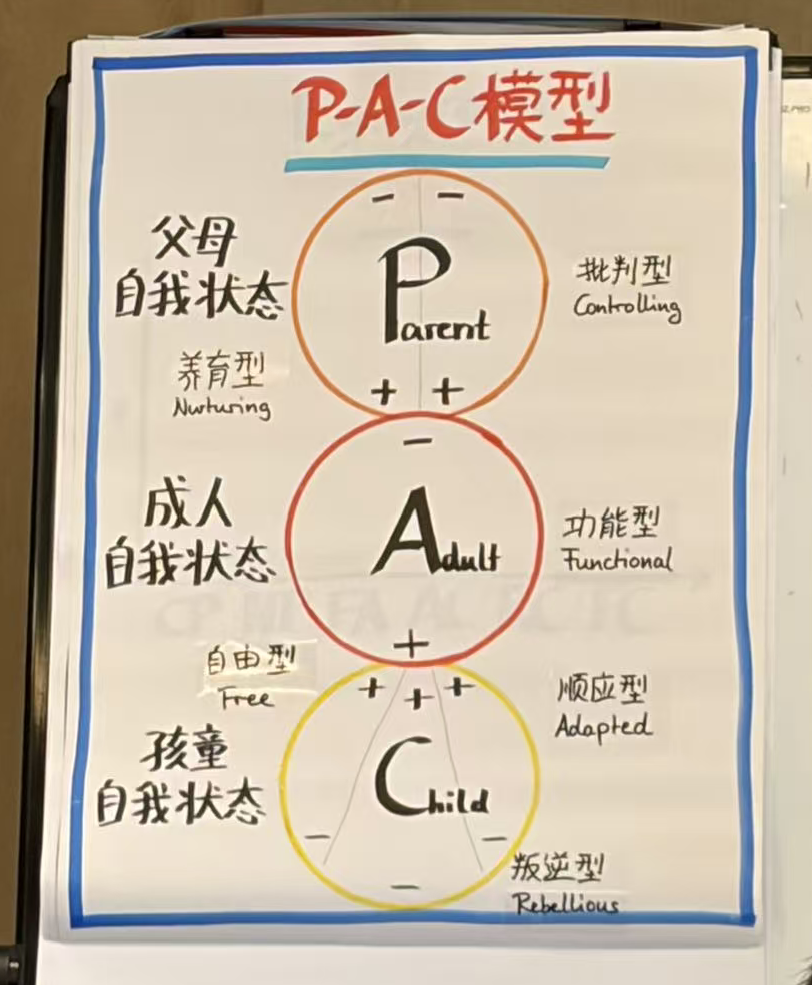
Understanding the P-A-C Model
One of the key highlights of the workshop was the introduction of the P-A-C Model, a framework that helps us recognize three different ego states: Parent (P), Adult (A), and Child (C).
Parent (P): Guidance, protection, criticism, and support.
Adult (A): Logic, objectivity, problem-solving, and fact-based communication.
Child (C): Emotions, creativity, spontaneity, adaptation, and rebellion.
Rather than trying to change the other person’s behavior, the P-A-C Model encourages us to first recognize which ego state the other person is communicating from, then consciously choose the most constructive response ourselves.
From Theory to Real Workplace Situations
To demonstrate how the model works in practice, trainer Sonja shared a real workplace story.
She once worked with a highly skilled engineer who was the only person capable of completing a critical technical task. After an extended period of intense pressure, he suddenly reached his limit and declared, “I’m not doing this anymore!”
Instead of responding with authority or criticism, Sonja recognized that he was speaking from a Rebellious Child state. She responded using a combination of the Nurturing Parent and Functional Adult states—first acknowledging his emotions, then helping him refocus on practical solutions. The conversation gradually shifted from frustration to collaboration.
The story illustrated that communication is often less about what we say than how we choose to respond.
Communication Beyond Words
The afternoon simulation challenged participants to complete a team building task without speaking.
Working together to arrange building blocks while maintaining both accuracy and an aesthetically balanced final result quickly proved far more difficult than expected. Without verbal communication, even simple coordination became a challenge.
The exercise reinforced a powerful lesson: smooth communication is often one of the deciding factors behind successful collaboration.
Turning Cross-Cultural Communication Theory into Practice
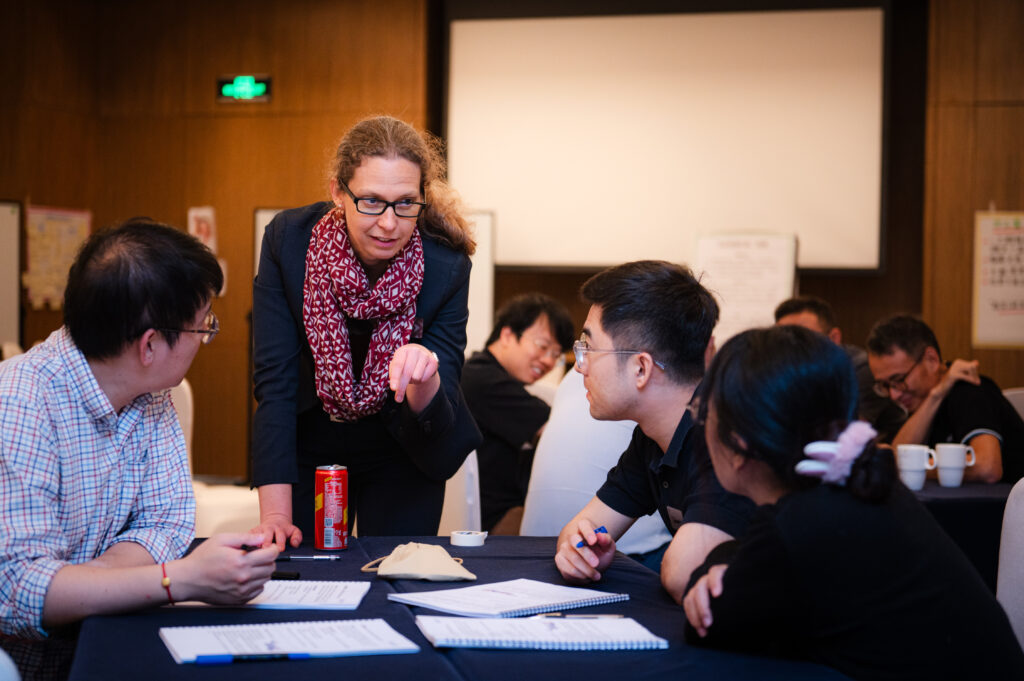
Throughout the workshop, trainer Sonja combined concise theory with lively group discussions, allowing participants to immediately apply what they learned.
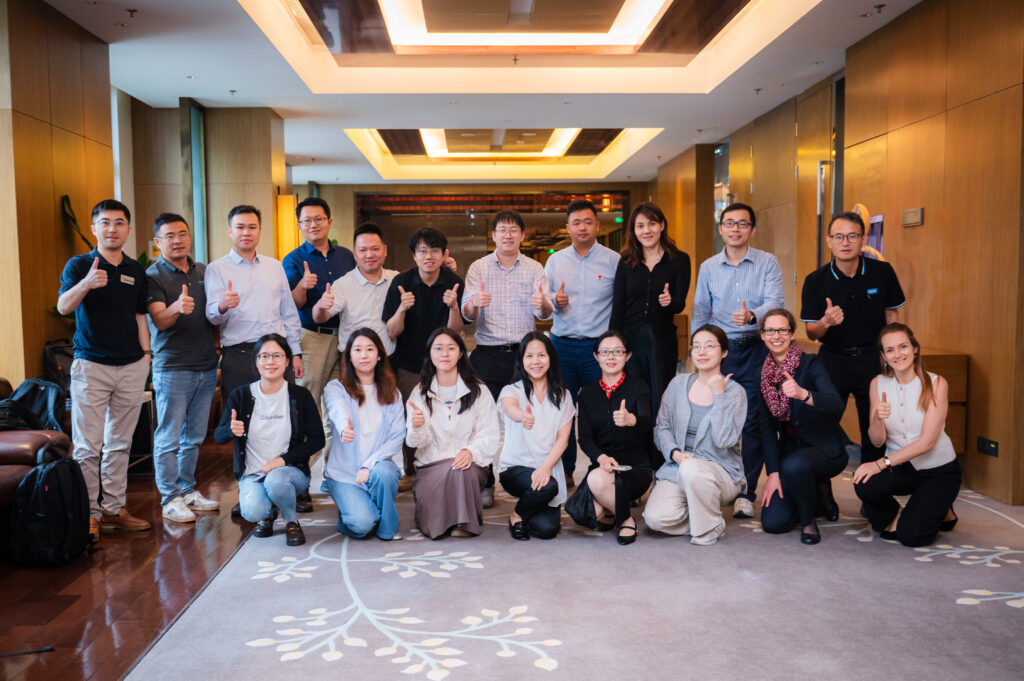
Through this cross-cultural communication training, participants practiced responding to real workplace situations, experimented with different communication approaches, and gained practical tools they could immediately bring back to conversations with their German colleagues.
Join Our Next Leadership Coaching Training
If you’re an HR leader who wants your leaders to learn how to coach and empower their teams, our Leadership Coaching Training is for you.
Equip your leaders with practical coaching tools, hands-on exercises, and strategies to foster ownership, resilience, and independent problem-solving.
Ready to transform your managers into confident leaders who inspire and grow their teams?
Get in touch with Intandid to design your next training.

Related Articles
How to write an award nomination that a jury can’t ignore: lessons from a juror