
Why Leadership Teams Need More Than Theory
Communicating well is already difficult.
Even when people come from the same country, speak the same language, and work in the same office, misunderstandings still happen every day.
Now add different cultures, communication styles, expectations, and ways of giving feedback.
This is the reality many multinational companies face.
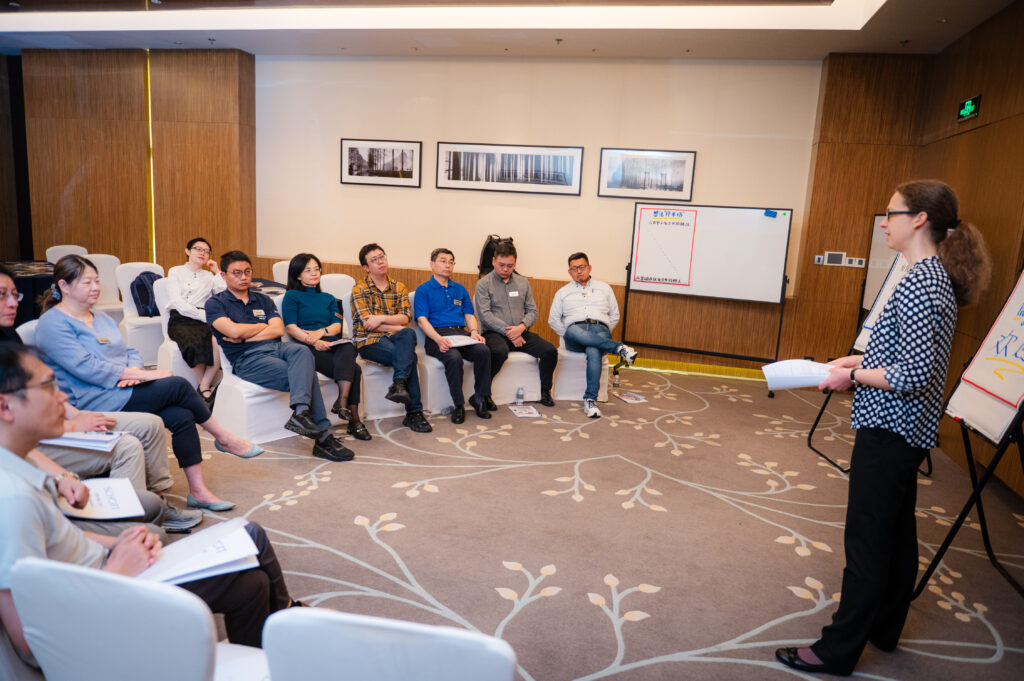
Last week, we delivered the first (out of three) session of our “Speak Up Across Cultures” training program. This time for a senior leadership team working closely with German counterparts.
While the first group focused on building awareness and communication habits, this leadership session brought a completely different energy.
Same company.
Same goals.
Very different conversations.


Senior Leaders Bring Real Cross-Cultural Challenges
The leadership team came into the room with years of international experience and many real examples of communication challenges they had faced across cultures.
The discussions quickly became deeper and more complex.
Participants openly shared situations where collaboration did not go as planned:
- Misunderstandings during decision-making
- Different expectations around feedback
- Confusion caused by indirect versus direct communication
- Frustration linked to cultural assumptions
Rather than simply listening to theory, the group actively challenged ideas, asked difficult questions, and pushed discussions further.
This is exactly what makes leadership-level cross-cultural communication training so valuable.
Using the Culture Map as a Guide, Not a Rulebook
One of the strongest discussions during the workshop centered around Erin Meyer’s Culture Map framework.
Some participants questioned whether cultural frameworks can truly apply to every person or every situation.
And honestly, this was an important conversation to have.
Cross-cultural tools are not designed to put people into categories or stereotypes. They are designed to increase awareness.
The goal is not to say:
“This person is German, so they will behave this way.”
The goal is to encourage questions like:
- “Could this person see things differently from me?”
- “Should I adapt my communication style? And how?”
- “What assumptions am I making right now?”
When teams begin asking these questions, communication improves naturally.
Why Bespoke Training Matters
One of the most meaningful moments during this workshop was a decision we made as facilitators.
We removed two activities from the original agenda.
Why?
Because the conversations happening in the room mattered more than simply “covering all the content.”
At Intandid, we believe effective training should adapt to the people in the room.
Sometimes participants need more space to explore a challenge deeply. Sometimes the best learning happens through debate, reflection, and discussion rather than through activities or theory alone.
For us, bespoke training means focusing on real business challenges instead of forcing teams through a fixed program.

Cross-Cultural Communication Is a Business Skill
Global collaboration is no longer optional.
For multinational companies, the ability to communicate effectively across cultures directly impacts:
- Trust between teams
- Speed of collaboration
- Employee engagement
- Decision-making
- Business performance
The companies investing in these conversations today are preparing themselves to work better, faster, and smarter tomorrow.
A special thank you to trainer Sonja for creating a space where participants felt comfortable enough to challenge ideas, share frustrations openly, and learn from each other through honest discussion.
If your leadership team is dealing with cross-cultural friction or misalignment, let’s connect and explore what’s really going on beneath the surface.

Related Articles

How to write an award nomination that a jury can’t ignore: lessons from a juror