Why Global HR Initiatives Often Struggle in China
Global HR initiatives in China require more than simply transferring international policies into a local market. Foreign companies need to balance global standards with China-specific expectations, employee behaviours, and workplace culture.
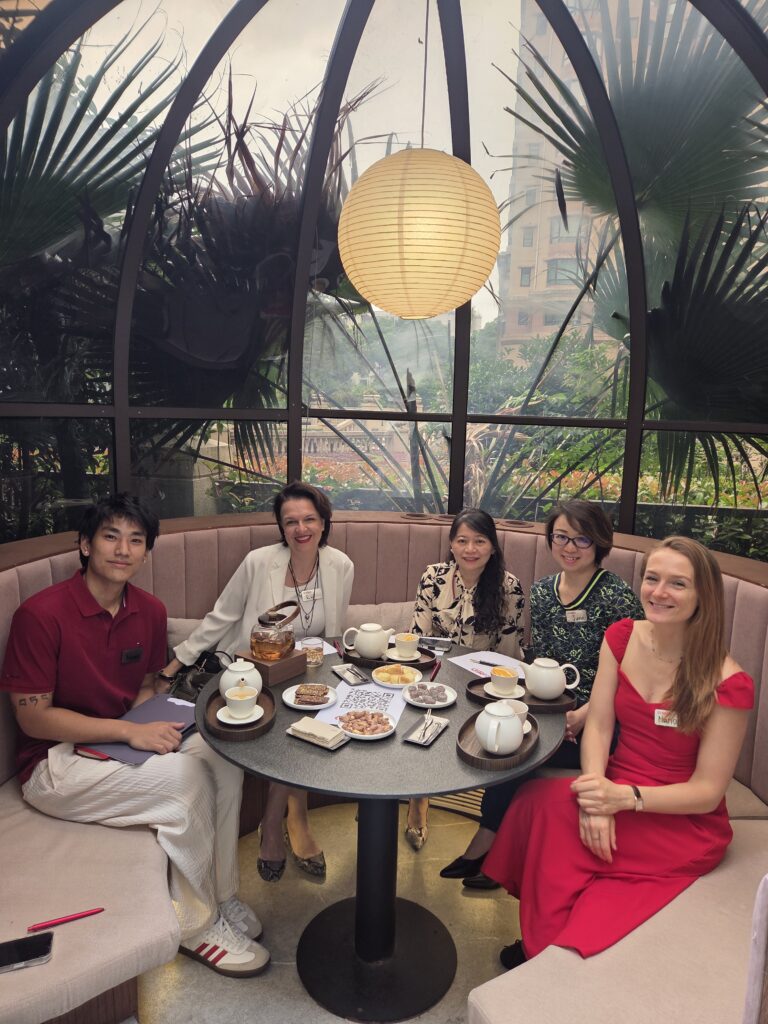
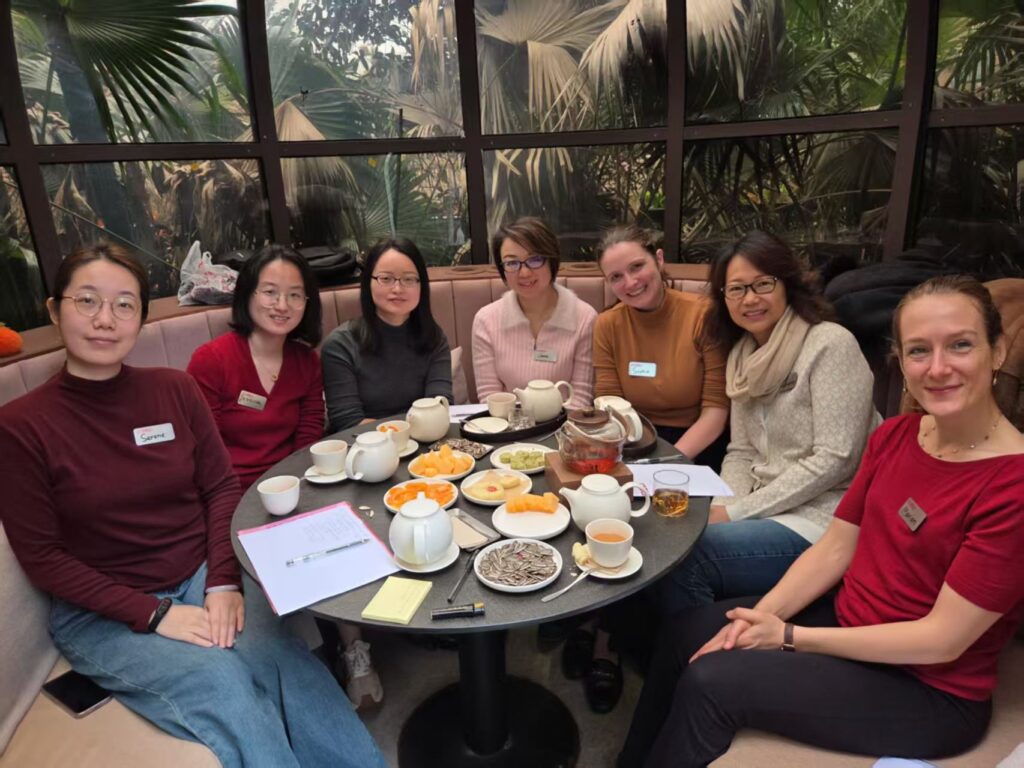
On May 29th in Shanghai, three senior HR Directors from banking, pharma, and manufacturing sat around the table during a R.E.D. HR Leadership Forum.
The plan was simple: a 2.5-hour confidential peer discussion.
The reality?
2.5 hours was nowhere near enough.
Because when HR leaders from foreign companies in China finally have a trusted space to speak openly, the conversation gets real.
Fast.
And one question quietly emerged during the discussion:
Are global HR initiatives in China sometimes solving the wrong problems?
That may sound provocative. But hear us out.
A Career in One Sentence: Resilience, Growth, Change
At R.E.D., our icebreakers are never small talk.
This time, we asked participants to define their career in one sentence.
Three words quickly surfaced:
Resilience. Growth. Change.
Actually, this is not exactly surprising. HR leadership in China today often means navigating:
- global expectations from HQ
- fast-changing local realities
- shifting workforce expectations
- business pressure and people pressure at the same time
And perhaps most difficult of all: Making global HR initiatives work locally.
Why Do Global HR Initiatives Often Struggle in China?
Let’s be clear. Most global initiatives come from a good place.
Better diversity. More fairness. Stronger inclusion. Better employee wellbeing.
These are good goals. However the challenge is not the intention. The challenge is localization.
During our R.E.D. forum, HR leaders discussed how some global standards can sometimes feel disconnected from the reality on the ground in China.
Not because China is “behind.”
But because the local context is different. Research from the OECD highlights that multinational companies operating across different markets need to consider local institutional contexts and stakeholder expectations when implementing responsible business practices.
Indeed, when working globaly, HR initiatives are dealing with different labor markets, as well as expectations that vary from country to country. In addition, employee priorities are different and so are the business realities.
As a result, when global KPIs move faster than local readiness, unintended consequences can appear. ometimes teams start optimizing for the KPI rather than the real objective. People find shortcuts. Boxes get ticked. But meaningful change doesn’t happen.
Are Global Companies Sometimes Focusing on the Wrong HR solutions?
Here is where the discussion became especially interesting. When people discuss DEI in China, there is often an assumption that China is far behind. But is that always true?
Some HR leaders around the table challenged this assumption. In many companies in China, women in leadership are not necessarily doing badly. In some cases, gender salary gaps may even compare favorably to markets abroad.
That does not mean the work is done.
Far from it. But it raises an uncomfortable question:
What if some of the inequalities employees feel most strongly are not the ones HQ is measuring?
One example raised during the discussion?
The significant compensation gap that can still exist between some expatriate leaders and local managers doing very similar roles.
In some organizations, the difference can be dramatic. Sometimes even many multiples apart. And while historical business reasons may explain some of these packages, employees do not always experience it that way.
They experience it as:
“Same responsibility. Very different reality.”
Could this be one of the workplace tensions we talk about too little?
The Difficult Job of HR in China: Bridging Two Worlds
This is where the role of HR becomes incredibly difficult.
Because HR leaders in China are often asked to do two things at once:
1. Make global HR initiatives meaningful locally
Without rejecting HQ ambitions. Without creating employee resistance. And without disrupting operations.
2. Make the business work
Because at the end of the day:
A company still needs performance.
Profitability still matters.
Teams still need stability.
And sometimes, HR’s own KPIs do not make this balancing act easier.
This is why peer discussions matter.
Because no HR leader should have to solve these tensions alone.
What We Saw at the R.E.D. Forum
One thing stood out during this discussion.
The generosity.
Participants already knew one another from previous R.E.D. events.
Trust had grown.
And the conversation went deeper.
At one point, one HRD literally took out a piece of paper and started mapping numbers to help another participant think through a people challenge.
Not theory.
Not LinkedIn wisdom.
Real problem-solving.
Real experience-sharing.
Real peer support.
That is the power of putting experienced HR leaders in the same room.
Final Reflection: Maybe the Question Is Not “How Do We Roll This Out?”
Maybe the better question is:
“What problem are we actually trying to solve locally?”
Because global HR initiatives are important.
But successful HR leadership in China may require something even more important:
Translation.
Not language translation.
Context translation.
Turning global ambition into something that truly works for local people, local teams, and local business realities.
And that is far harder than simply rolling out a playbook from HQ.
Continue the Conversation
How do you balance global HR priorities with local realities in China?
What initiatives have worked well—or failed unexpectedly?
We would love to hear your perspective.
R.E.D. is a confidential HR leadership community in Shanghai where senior HR leaders discuss the real people challenges shaping business today.
A: Global initiatives can struggle when HQ expectations do not fully align with local labor markets, employee expectations, or cultural realities in China.
A: Many HR leaders must balance global company priorities with local business realities while maintaining employee trust and engagement.
A: In some areas, such as women in leadership and salary equity, many companies in China are progressing quickly. However, local workplace tensions may differ from those prioritized globally.

Related Articles
How to write an award nomination that a jury can’t ignore: lessons from a juror